
 Military Discount

-

-

-
0

A one-component, neutral-curing silicone sealant for swimming pool, spa and fountain tile joints that stay wet.
$18.95
Item No.: RDX1004C
attribute_pa_color_finish: p9-clear
Item No.: RDX1004W
attribute_pa_color_finish: p1-white
Item No.: RDX1004B
attribute_pa_color_finish: p7-black
Item No.: RDX1004IV
attribute_pa_color_finish: p5-ivory
Item No.: RDX1004G
attribute_pa_color_finish: p4-grey
Item No.: RDX1004LG
attribute_pa_color_finish: p3-light-grey
Item No.: RDX1004OW
attribute_pa_color_finish: p2-off-white
Maxisil Pool is a one-component, neutral cure silicone made for joints that never get to dry out: the expansion joints in a swimming pool, the edge of a spa, a fountain basin, the floor of a public shower. We carry the 10.5 fl oz cartridge in a range of colors so you can match it to the tile or grout around it.
Pool joints have a harder life than most. They move as the shell warms and cools, they sit in chlorinated or salted water all year, and the ones above the waterline take full sun. Maxisil Pool cures to a soft, flexible joint, with a Shore A hardness of about 20 and 25 percent permissible movement, and it is rated for continuous immersion once cured. It copes with normal pool chlorine, the occasional shock dose, and sustained free chlorine anywhere from 1.2 to 15 mg/L. It also carries a fungicide to slow mould growth in the joint.
A note on the word “underwater.” If you are shopping for an underwater silicone sealant for pools, know that this one is rated for life under water but is not applied under water. The surfaces have to be clean and dry when you apply it, and the sealant needs at least four days to cure before the pool is filled. Two weeks is better. On glazed or unglazed ceramic and on concrete that will sit in permanent water, Maxisil calls for primer 1218, so plan for that step.
Two things this silicone is not meant for. It is not suitable for marble or natural stone pools, where Maxisil makes a separate natural stone silicone, and it should not be used for drinking water applications.
Maxisil treats pool silicone joints as maintenance joints. Look them over at least every three months, keep free chlorine between 0.3 and 0.6 mg/L, and keep the water circulating. That upkeep is what lets the fungicide do its job.
If you are comparing options for the best pool silicone sealant for your job, start with what the joint is made of and how wet it stays, then worry about color. A sealant rated for continuous immersion, a printed cure time before flooding, a primer schedule for your substrate, and stated chlorine tolerance are all things to look for on the data sheet. Maxisil Pool checks each of those boxes.
Maxisil also sells two other silicones that people sometimes mix up with this one:
It seals joints that stay wet: swimming pool and spa tile joints, fountains and water features, and public showers or changing rooms. It works indoors and outdoors.
The cured joint is rated for continuous immersion, but you do not apply it under water. Surfaces need to be clean and dry, and the silicone needs at least four days, preferably two weeks, to cure before the pool is filled.
No. Maxisil says this product is not suitable for marble or natural stone swimming pools and recommends Maxisil Natural Stone for stone.
On glazed and unglazed ceramic and on concrete that will be in permanent water contact, the data sheet lists primer 1218. Apply it to the clean surface, let it dry for about two hours, then seal. Try it on a small area first.
The data sheet does not list either one. Contact Maxisil, and test a small hidden area before you seal the whole pool.
At least four days, and two weeks if you can wait. Thicker beads, cooler weather and higher humidity all slow the cure. At 73°F and 50% humidity, about 2 to 3 mm cures in 24 hours. Rinse the cured silicone with clear water before you fill.
About 39 ft of a 5 × 5 mm joint, 10 ft of a 10 × 10 mm joint, or 4.3 ft of a 15 × 15 mm joint. Divide your total joint length by the coverage and round up.
Yes, within the limits on the data sheet. It tolerates normal pool chlorine, shock dosing and sustained free chlorine from 1.2 to 15 mg/L, and it resists salt water at typical pool concentrations.
It contains fungicide, but it is not mould-proof. Keep free chlorine at 0.3 to 0.6 mg/L, pH between 6.5 and 7.6, and the water circulating. Clean with neutral or alkaline cleaners, since mould spreads faster in acidic conditions. If a joint does get mould, cut out all the old silicone and treat the area with Maxisil Anti-Mildew Spray before resealing.
Pool silicone is neutral cure and made for tile and concrete joints in pools and fountains. Natural Stone is also neutral cure and is the non-staining choice for marble and granite. Wet Area is an acetate cure silicone for bathrooms.
Maxisil recommends Smoothtex A and its Applicator instead. Leftover smoothing residue can encourage microbial growth, which is why the data sheet says to rinse the cured joint with clear water before you fill the pool.
Tile Pro Depot sells Maxisil Pool silicone sealant online and ships nationwide. Pick your color above and add it to your cart.
Skipping primer on ceramic or concrete, sealing damp surfaces, filling the pool too early, using it on stone, letting it touch bitumen or EPDM, leaving out the backer rod, and going deeper than 15 mm without checking with Maxisil first.
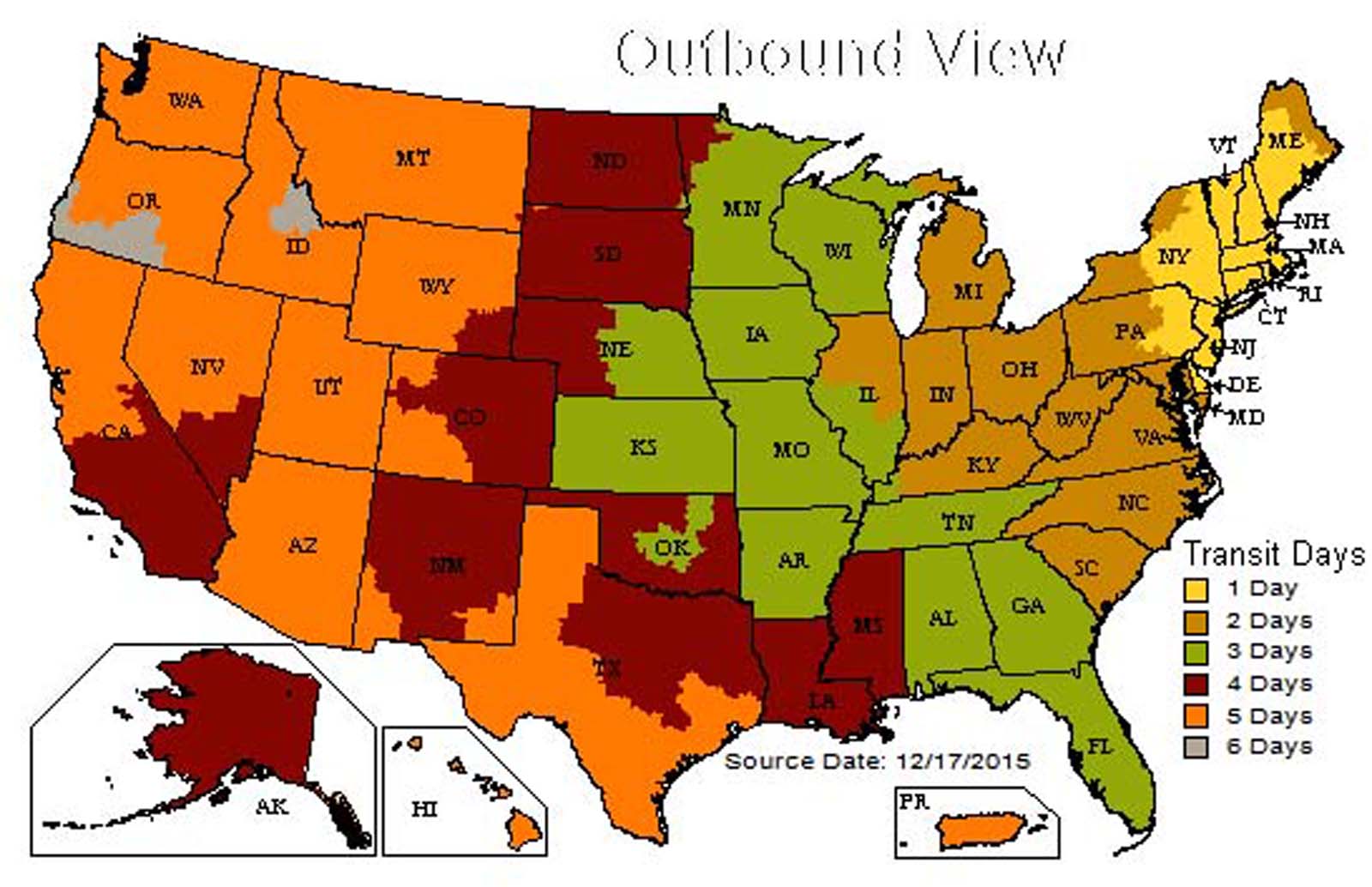
To determine approximate delivery time for your order shipped via UPS Ground, please locate the zone where the Ship-To address for your order is located. Note the color of that zone then check the number of days listed next to the color in the Transit Days Chart on the bottom right of the Zone Map. Please note that the delivery time is calculated beginning the day after your order has shipped.
Maxisil publishes a primer schedule for the surfaces it has tested. For a pool joint that will stay under water, this is how it breaks down:
Clean non-porous surfaces with Maxisil Cleaner. On porous surfaces, use a steel-wire brush or grinding disc. Everything has to be free of grease, dust, water and old sealant. Apply primer, let it dry for about two hours, then seal. Maxisil also recommends a trial on the actual substrate before you commit to the whole pool.
These are Maxisil’s figures for a 310 ml cartridge and square, right-angled joints. Depth is measured to the back of the profile.
To work out how many cartridges you need, divide the total length of joint by the coverage for your joint size and round up to a whole cartridge. Add a little extra for priming the nozzle and for waste.
Maxisil’s data sheet is a guide to the product, not a warranty. Any warranty comes from Maxisil in writing, and results depend on preparation, primer, cure time and pool water care. For the full method and current data, use the manufacturer’s own documents:


