Military Discount

-

-

-
0

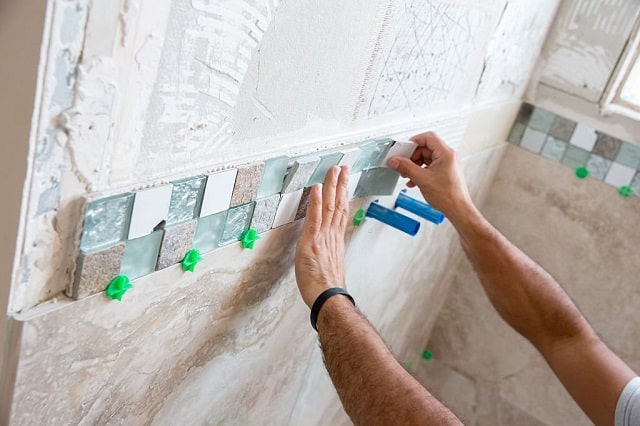
Building a great shower is a skill, and you must have the expertise in plumbing to carry out this with perfection. Shower walls require proper plumbing, squaring, and good waterproofing for lasting use. Avoid using drywall or green showers. Rather opt for the substrate for tiling walls. It helps in a better waterproofing solution. But what is the best way to waterproof the shower stall before laying tile?
You can either do the proofing yourself using the DIY technique or hire a professional to get an expert shower wall. Here you can get the tools needed for the process and a complete step-by-step guideline.
Protection from leakage: The reason is that you get complete protection from water leakage. The shower receives high pressure and a high volume of water. Hence, it is important to have a sealant solution to ensure that the leaks do not cause any slippery or wet surfaces that can be hazardous.
Health and safety: A shower or bathroom which lacks a waterproofing system increases the possibility of mould, moisture, and trapping of microorganisms. From a health and safety perspective, it is dangerous to use a space that is a breeding ground for fungi and mould.
Increase property life: When you use an excellent quality waterproof membrane for the kitchen or shower area, it automatically increases the property’s life and valuation. You get waterproof before tiling the walls. It’s easier on the pocket. However, if you plan to carry out this process after the tiles, it is an overwhelming task and expensive.
Be smart and do not avoid the waterproofing of shower walls to save money or time – it is always advisable to finish the process before fixing the tiles.
Mitchell Moss works with Tile Pro Depot and contributes practical content for professional tile installers, remodelers, and serious DIY users. His articles focus on tile installation tools, setting materials, waterproofing systems, grout, underlayments, and jobsite techniques. Through the Tile Pro Depot blog, he helps readers better understand product applications, compare installation approaches, and make informed material choices using manufacturer guidance, industry standards, and practical considerations that can affect the durability and performance of a tile installation.