Military Discount
-

-

-
0

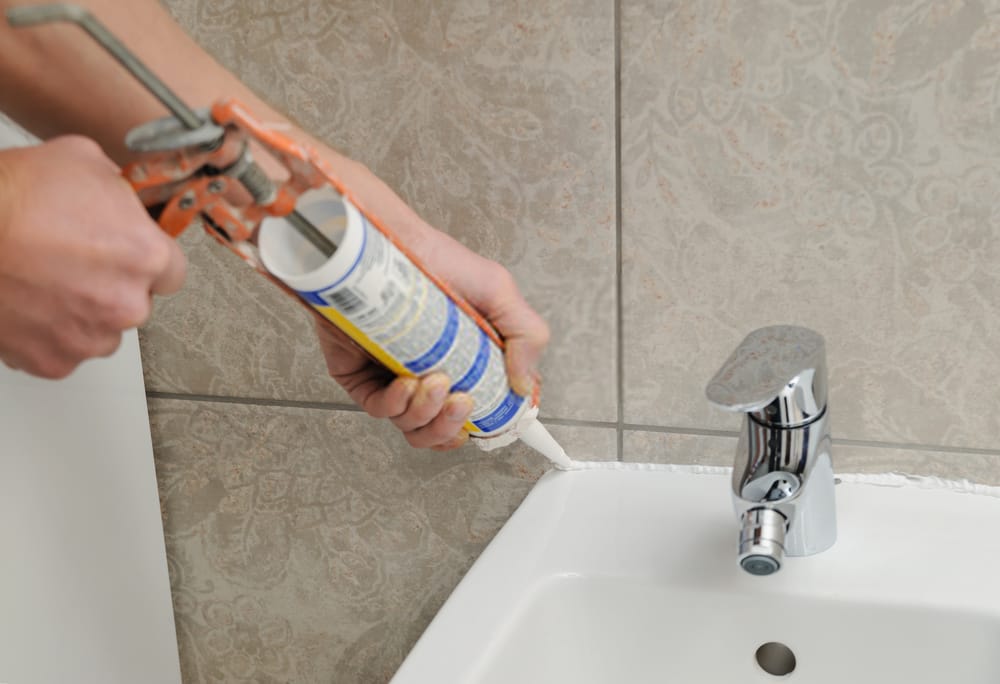
Caulking a bathroom or a shower is one of the most important ways to maintain it as good as new. While it is true that you can easily do that by using a caulking gun and a well chosen tube of caulk, it’s essential to choose the right type and color of caulk to match your bathroom surfaces and fixtures. Selecting the appropriate caulk ensures a proper seal, durability, and a seamless look that complements your tiles, bathtub, or shower. Caulk comes in various colors, so you can match it to your fixtures or tiles for a more polished finish. It is important that you prepare the working surface in the right manner as otherwise the caulk is not going to last long. Moreover, if you do a sloppy work out of your caulking efforts, it is going to technically ruin even the look and feel of your tiles. Laticrete LATASIL Silicone Caulk & Sealant
Re-caulking is a simple upgrade that can make a big difference in the appearance and functionality of your house.
So if you are wondering about how to caulk a bathtub or a shower, then you must read the following. Re-caulking your bathtub can instantly make your bathroom look cleaner and more polished.
Having the right tools is essential for a professional caulking job. Start by removing the old caulk—use a utility knife or caulk removal tool to cut along the edges of the caulk bead. After removing the old caulk, clean the area thoroughly with rubbing alcohol or a mild cleaner to ensure it is free of residue.
You will need some single-edge razor blades, a razor scraper, mineral spirits, caulk remover, a utility knife, paper towels, a caulk gun, and bath and kitchen caulk. Painter’s tape is also recommended for marking off the area to be caulked; apply tape along the edges to achieve a clean, straight line and make cleanup easier. If you want, you can also use an oscillating tool equipped with a flexible scraper blade to speed up the process of removing old caulk.
Applying painter’s tape before caulking helps achieve a straight and smooth line, resulting in a neat, professional finish. The entire project, including preparation and cleanup, will take a couple of hours.
When choosing caulk for your bathtub or shower, look for products specifically designed for bathrooms—these are formulated to resist mold and mildew in high-moisture environments. Caulks labeled ‘Tub and Tile’ or ‘Kitchen and Bath’ are designed to adhere to smooth surfaces and provide superior mildew resistance, making them ideal for these applications.
Silicone caulk is the best choice for waterproofing projects like bathtubs and showers, as it offers lasting performance and remains flexible over time. However, silicone can be challenging to work with and requires mineral spirits for cleanup. Acrylic latex caulk, on the other hand, is easier to apply, can be cleaned up with water, and has little to no smell, making it more forgiving—especially for beginners. If you are new to caulking, acrylic latex is a user-friendly option, while experienced users may prefer silicone for its durability.
Before you can apply new caulk, it’s worth taking the time to properly deal with the old caulk. Start by using a suitable tool—such as a putty knife, utility knife, or a 5-in-1 painter’s tool—to carefully remove the old caulk from the bathtub and wall surfaces. Work slowly to avoid causing any damage to the bathtub or surrounding tiles. Once the old caulk is gone, inspect the area closely for any remaining traces of caulk or signs of mold. If you spot any, use a cleaning solution made from soap scum remover and water to thoroughly clean the surface and remove all debris. This step is crucial, as any leftover residue can prevent the new caulk from adhering properly. After cleaning, allow the area to air dry completely before moving on to the next step. Taking the time to ensure a clean, dry surface will help your new caulk stick better and last longer, making your application much more effective.
When you’re ready to apply the new caulk, start by loading your caulk gun with the chosen type of caulk. Use the built-in wire tool to puncture the inner seal, then cut the tip of the caulk tube at a 45-degree angle to create the right size opening for your project. Begin at one end of the seam and apply steady pressure to the trigger as you move the caulk gun along the joint. Keep the tip close to the surface and maintain a slow, even pace to ensure a smooth, consistent bead. Avoid rushing—applying too much caulk at once can make the job messy and harder to clean up. If you notice any air bubbles or gaps as you work, use a small tool or pin to gently puncture them and smooth out the caulk. The goal is to fill the joint completely without overfilling, so the caulk doesn’t pull away from the surface as it dries.
Achieving a polished, professional finish is all about smoothing the caulk properly. After applying the bead, use a wet finger, a damp paper towel, or a baby wipe to gently smooth the caulk along the seam. Move your chosen tool in a steady, continuous motion to create a clean, concave line that looks neat and seals effectively. If you’re using a baby wipe, remember to wipe in one direction to avoid pulling caulk out of the joint. For any excess caulk on the surface, use a clean, damp cloth to wipe it away before it dries. This step not only improves the appearance but also helps the caulk adhere better. Once you’re satisfied with the line, allow the caulk to dry completely before inspecting for any imperfections that might need a quick touch-up.
To keep your bathtub looking polished and to prevent water damage, regular maintenance of the caulk is essential. Make it a habit to inspect the caulked areas for any signs of mold, deterioration, or gaps. Stay proactive by cleaning the surface regularly with a mild cleaner and a soft brush to remove soap scum, water spots, and debris. Avoid harsh chemicals or abrasive tools that could damage the caulk or the surrounding surfaces. If you notice any issues—such as cracks, discoloration, or areas where the caulk is pulling away—address them promptly by reapplying caulk as needed. With consistent care, your caulk will maintain its ability to prevent water damage and keep your bathtub area looking fresh. Eventually, you may need to replace the caulk, but by staying on top of maintenance, you’ll enjoy a clean, watertight seal and a worry-free bathroom for years to come.
Q1: How do you caulk a bathtub shower properly?
A1: To caulk a bathtub shower properly, start by removing all old caulk using a utility knife or caulk removal tool. Clean the area thoroughly with rubbing alcohol to remove residue and allow it to dry completely. Apply painter’s tape along the edges for a clean line. Cut the caulk tube tip at a 45-degree angle, load it into a caulk gun, and apply steady pressure while moving the gun along the seam to create a smooth bead of caulk. Smooth the bead with a wet finger or finishing tool, remove the tape immediately, and allow the caulk to cure for at least 24 hours before use.
Q2: What is the right caulk to use for bathtubs and showers?
A2: The best caulk for bathtubs and showers is silicone caulk because it is waterproof, flexible, and specifically formulated to resist mold and mildew. For easier application, acrylic latex caulk is a good alternative, especially for beginners, though it is less durable. Always choose caulk labeled for “Tub and Tile” or “Kitchen and Bath” to ensure it is suitable for high-moisture areas.
Q3: How long does it take for caulk to cure?
A3: Most caulks require a curing time of at least 24 hours before the bathtub or shower can be used. Some products may take a few hours to become water-resistant, but full curing ensures the sealant is durable and effective in preventing water damage.
Q4: How do I maintain my caulked bathtub?
A4: Regular cleaning with mild cleaners and soft brushes helps maintain the caulk’s appearance and prevents mold growth. Inspect the caulk lines periodically for cracks, gaps, or discoloration. Address any issues promptly by repairing or re-caulking to avoid structural damage and maintain a watertight seal.
Q5: What are common caulking issues and how can I troubleshoot them?
A5: Common issues include gaps, uneven caulk lines, and mold growth. To troubleshoot, remove any old or damaged caulk and clean the area thoroughly before reapplying. Use painter’s tape to achieve a clean line, smooth the bead while wet, and ensure the bathroom is well-ventilated to prevent mold. If gaps appear after curing, cut out the affected section and reapply fresh caulk.
Q6: Can I paint over bathtub caulk?
A6: Yes, you can paint over caulk if you use a paintable caulk. Allow the caulk to cure completely, usually 24 to 48 hours, before applying paint. This helps maintain a clean and polished look that matches your bathroom decor.
Q7: Why is removing old caulk important before applying new caulk?
A7: Removing old caulk is crucial because new caulk will not adhere properly to old, deteriorated caulk. Leaving old caulk can cause poor adhesion, gaps, and mold growth, reducing the effectiveness and lifespan of your new seal.
Q8: How do I achieve a clean line when caulking?
A8: Use painter’s tape along both sides of the seam before applying caulk. This helps create a straight, clean line. After applying and smoothing the bead of caulk, carefully remove the tape before the caulk dries to avoid pulling or smudging.
Q9: What tools do I need for a successful bathtub caulking job?
A9: Essential tools include a utility knife or caulk removal tool, caulk gun, painter’s tape, single-edge razor blades or scraper, rubbing alcohol for cleaning, paper towels, and the right caulk (silicone or acrylic latex). Optional tools include a finishing tool or baby wipes for smoothing the caulk bead.
Q10: How often should I re-caulk my bathtub or shower?
A10: Re-caulking frequency depends on wear and conditions but typically every 3 to 5 years or when you notice cracking, peeling, or mold growth. Regular inspection and maintenance can help you determine the right time to re-caulk and prevent water damage.

Welcome to Tile Pro Depot! We established this site to service the specific needs of the tile installation professional. Tile installation tools, tile setting materials, premixed grout and more tile installation products online at Tile Pro Depot.