Military Discount
-

-

-
0

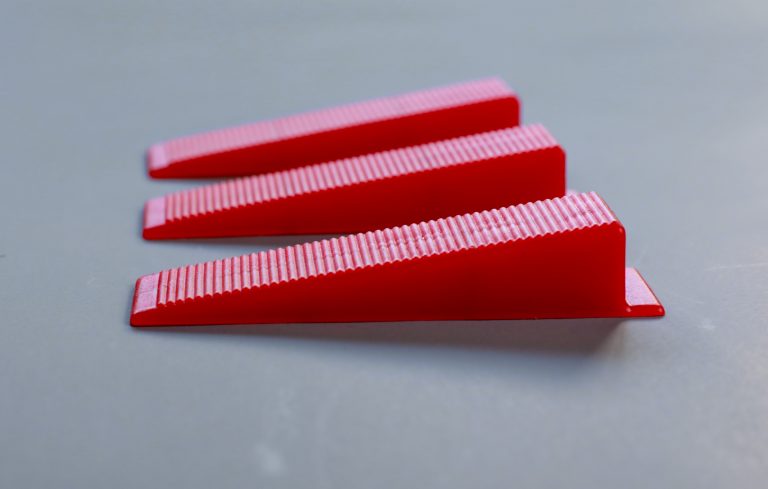
Laying tile can be a tricky business, right? You want that super smooth, professional look, but sometimes things just don’t line up perfectly. That’s where those wedge tile leveling systems come in. They’re like little helpers that make sure your tiles sit flush with each other, preventing those annoying uneven edges, also known as lippage. If you’re aiming for a clean finish without the headache, learning how to use a wedge tile leveling system is a game-changer. It’s not as complicated as it might seem, and honestly, it makes a huge difference in the final look of your project.
So, you’re looking to get that super smooth, professional look on your next tile job? That’s where tile leveling systems come in. They’re not magic, but they sure do help make things look a lot better, especially when you’re dealing with bigger tiles or tricky layouts. Basically, these systems help make sure that the edges of your tiles sit at the same height. This stops that annoying ‘lip’ or lippage that can happen where one tile sticks up higher than the one next to it. It’s not about making the floor itself perfectly flat – that’s a job for the subfloor prep – but about making the tiles relative to each other sit flush.
Think of wedges and spacers as a team. The spacers, which you might already be familiar with, go in the corners of your tiles to create a consistent gap for grout. The leveling system’s wedges (or sometimes caps or clips, depending on the system) work alongside these. They actually get inserted between tiles, or through a special clip that sits under the tile, and then they’re tightened. This tightening action pulls the edges of adjacent tiles together, bringing them to the same plane. It’s this clamping action that flattens the tile surface.
Why bother with these extra bits? Well, for starters, they make a huge difference with larger format tiles. These big guys (think 12×24 inches and up) are more prone to slight warping from the factory. A leveling system can help counteract that. They’re also a lifesaver for wood-look planks or any tile laid in an offset pattern, where even a tiny height difference can be really noticeable. Plus, some manufacturers of gauged porcelain tile panels actually require their use. It’s about achieving that seamless, high-end finish that looks like it was done by a pro.
Most tile leveling systems, especially the wedge types we’ll focus on, have a few key parts:
It’s important to remember that these systems are designed to level the tiles to each other, not to fix an uneven subfloor. Good prep work underneath is still the first step to a great tile installation.
Some systems might also include protective discs to prevent scratching, especially on delicate surfaces like natural stone or polished porcelain. The goal is always to get those tiles sitting perfectly flat against each other while the adhesive cures.
Before you even think about laying down those tiles, a little prep work goes a long way. Getting ready for tile installation isn’t just about having the tiles and the adhesive; it’s about setting yourself up for success. This means thinking about the little things that make a big difference later on.
The spacers you use aren’t just for keeping tiles apart. They actually dictate the width of your grout lines. Think about the look you’re going for. Do you want thin, modern lines, or something a bit more traditional with wider gaps? The size of the spacer directly controls this. For most jobs, you’ll find spacers in common sizes like 1/16″, 1/8″, and 1/4″. It’s a good idea to have a few different sizes on hand, just in case your plan changes or you’re working with tiles that have slightly uneven edges. Getting this right from the start means fewer headaches when it’s time to grout.
This might sound obvious, but keeping things clean during installation is super important, especially when you’re using a leveling system. Any excess tile adhesive or thinset that oozes up between the tiles and gets into the spacer slots or onto the wedges can cause problems later. When it’s time to remove the system, hardened adhesive can make it tough, and you might even chip a tile or mess up a grout line. So, keep a damp sponge or cloth handy. Wipe away any excess adhesive as you go. It takes an extra minute or two per tile, but trust me, it makes removing the system and grouting so much easier. It’s the little details that make a job look professional.
A clean workspace and clean components are key to a smooth tile installation process. Don’t let stray bits of thinset or adhesive become a problem down the line. A quick wipe-down now saves a lot of trouble later.
Alright, let’s get down to business with the wedge tile leveling system. This is where the magic happens, turning a potentially bumpy tile job into a smooth, professional-looking surface. It’s not rocket science, but it does require a bit of attention to detail.
First things first, you’ll need to place the clips, also called bases, under your tiles. Slide them under the edge of the tile until the base sits flat against the subfloor. For most standard tiles, about four clips per tile – one near each corner – is a good starting point. If you’re working with longer tiles, like those wood-look planks, you might want to add a couple more clips for extra support. The goal here is to have these clips ready to interact with the next tile you lay down. Once you’ve got a couple of tiles placed next to each other, you’ll slide the wedge into the clip. This is the part that actually does the work of bringing the tiles into alignment. You’re essentially using the wedge to push down any high edges and bring everything flush.
This is super important. When you’re sliding those wedges in, you need to apply steady, even pressure. Think of it like tightening a bolt – you don’t just crank it down as hard as you can all at once. You work your way around, making sure everything is snug and level. Many systems come with special pliers designed for this. They help you get just the right amount of tension without overdoing it. The key is to make all the tiles in an area sit at the same height. If one tile is even a millimeter higher than its neighbor, you’ve got lippage, and that’s what we’re trying to avoid. It’s a good idea to check your work as you go, maybe with a long level, to catch any issues early.
Large format tiles are where a wedge tile leveling system really shines. Because these tiles are bigger and heavier, they’re more prone to bowing or settling unevenly as the adhesive cures. The clips and wedges help to counteract this. They can actually help to slightly bend the tile, straightening out any natural warpage. This means you’re not just getting a flat surface, but you’re also making sure the weight is distributed evenly across the tiles, which is good for their longevity. For these larger tiles, don’t skimp on the number of clips you use; more support is generally better.
While you can sometimes get away with just using your hands or a bit of brute force, using the dedicated tensioning tools, often pliers, makes a huge difference. These aren’t just for show; they’re designed to give you control. They allow you to apply a consistent amount of pressure, which, as we’ve discussed, is vital for preventing lippage. Some pliers are designed to click when you reach a certain tension, giving you a clear signal that you’ve achieved the desired tightness. This takes a lot of the guesswork out of the process, especially if you’re new to using a tile self leveling wedge system. It helps you achieve that perfectly flat surface that makes all the difference in the final look of your tile installation. Remember to use tile spacers in the corners as well, as the leveling system is primarily for height, not spacing.
When using a wedge tile leveling system, remember that the clips and wedges are there to help align the tiles to each other, not to set the actual spacing between them. You’ll still want to use traditional tile spacers in the corners to maintain your desired grout line width. The leveling system’s job is to make sure those grout lines are all at the same height.
So, you’ve got your clips in, your wedges are snug, and the tiles are looking pretty darn level. That’s awesome! But we’re not quite done yet. Getting that truly professional look means paying attention to a few more details before the grout even thinks about going in.
Those little spacers you used earlier? They did a big job, but the goal is to have grout lines that look like they were drawn with a ruler, not a shaky hand. This consistency is what makes a tiled surface look really polished. It’s not just about how the tiles meet each other, but how that space is filled. A uniform grout line makes the whole pattern pop and gives a clean, finished vibe. Think of it like the lines on a perfectly drawn sketch – they guide the eye and make the whole picture work.
Lippage is that annoying situation where one tile edge sticks up higher than the one next to it. It’s a tripping hazard and just looks sloppy. The leveling system helps a ton with this, but it’s not magic. The real trick is to use the system to fine-tune, not to fix a really uneven base. If your subfloor is lumpy, the leveling system can actually make the tiles conform to those lumps, which isn’t ideal. You still need a reasonably flat surface underneath. The system is there to make sure the tiles themselves are all on the same plane, not to bend them to fit a wonky floor. It’s about getting that smooth, continuous surface that feels good underfoot and looks great.
This is the big one. A tiled surface needs to be flat. Level and plumb are important, sure, but sometimes the walls or floor are just naturally a bit off. Flatness, though? That’s non-negotiable for a good result. It means no high spots or low spots across the entire area. Even with a leveling system, you don’t want to create a surface that has dips or ridges. The system helps you achieve this flatness by pulling everything into alignment. It’s the difference between a tiled area that looks good and one that feels truly professional and is built to last. You want that smooth transition from one tile to the next, without any bumps or valleys. It’s all about that clean, continuous plane. If you’re unsure about how to get your base ready, checking out advice on tile leveling spacers can really help.
Remember, the leveling system is a tool to help you achieve perfection, not a substitute for good preparation. A flat substrate and consistent application of the system are key to avoiding lippage and creating a surface that looks and feels amazing.
Alright, so you’ve spent a good chunk of time getting those tiles perfectly set with your wedge system. Now comes the part where you get to see the fruits of your labor, but you gotta do it right. Removing the leveling system isn’t just about yanking stuff out; it’s about doing it cleanly so you don’t mess up all that hard work.
This is super important. You can’t just rip the wedges out the second you finish placing the last tile. The tile adhesive needs time to set up properly. Generally, you want to wait until the mortar is completely dry and the tiles can be walked on without any give. This usually means waiting at least 24 hours, but it can vary depending on the type of adhesive you used, the temperature, and humidity. If you pull them out too early, you risk shifting the tiles, and all that careful leveling goes out the window. It’s better to be a little patient than to have to redo a section.
Most wedge systems are designed for a pretty straightforward removal. For systems that use a clip or base that stays under the tile, the wedge part is usually what you’re removing. Often, you can just give the wedge a firm tap with a rubber mallet, making sure to hit it in the same direction as the grout line. This helps the plastic break cleanly. Some systems might have a strap that needs to be cut. If a strap is being stubborn or you’re worried about damaging the tile, you might need to carefully use a utility knife to cut the strap just below the tile surface. It’s all about a clean break without disturbing the tile or the adhesive bond. If you’re dealing with a broken clip that’s stuck, you might need to carefully cut the strap with a razor knife, trying to get it below the tile’s surface. It can be a bit of a pain, but it’s doable.
One of the cool things about many wedge systems is that the wedges themselves are reusable. Once you’ve popped them out, give them a quick wipe down. If there’s any dried adhesive or grout on them, just scrape it off. You don’t need to get them spotless, but removing the bulk of the gunk will make them easier to use next time. Store them somewhere safe so you don’t lose them. The base plates or clips, however, are usually designed to stay under the tile and become part of the installation. So, don’t worry about removing those – they’re meant to stay put. If you’re looking for good tile cleaners to help with any residue after the leveling system is removed, check out options designed for effective tile cleaning.
Here’s a quick rundown:
Removing the leveling system is the final step before grouting. Doing it correctly means the tiles are secure and ready for the next stage, giving you that smooth, professional look you’ve been aiming for. It’s all about a clean finish and preparing the surface for grout.
Alright, so you’ve got your clips and wedges ready, and you’re about to tackle that tiling project. It’s not rocket science, but like anything new, there’s a bit of a learning curve. Don’t get discouraged if your first few tiles aren’t perfectly aligned; that’s totally normal. Practice really does make perfect with these systems.
Seriously, the more you use a tile leveling system, the faster and better you’ll get. Think of it like learning to ride a bike. At first, you wobble a bit, maybe even fall, but soon enough, you’re cruising. The same applies here. You’ll start to get a feel for how much pressure to apply and how to position the wedges for the best results. It might feel a little awkward at first, especially when you’re trying to keep everything steady while also dealing with thinset, but stick with it. You’ll find yourself needing less time and fewer adjustments as you go.
While these systems are fantastic for getting a flat, lippage-free surface, they aren’t magic wands. They help level tiles, but they don’t fix a wonky subfloor or compensate for tiles that are significantly warped. You still need to do your prep work. Also, remember that the clips are usually disposable, while the wedges are reusable. Keep track of your wedges so you can use them on your next job. Cleaning them off after use is a good idea; a quick rinse with water usually does the trick to remove any excess mortar.
Not all tile leveling systems are created equal. You’ve got your basic clip-and-wedge setups, which are super common and work well for most situations. Then there are systems that use a screw-like mechanism or even a spin-doctor type tool for tightening. Each has its own little quirks and best practices. For instance, some systems might require you to use separate tile spacers in the corners in addition to the leveling clips, while others integrate spacing. It’s always a good idea to read the manufacturer’s instructions for the specific tile leveling system you’re using. They’ll often have detailed diagrams and tips tailored to their product.
Here’s a quick rundown of what to keep in mind:
Don’t forget that the primary job of these leveling systems is to keep your tiles flush with each other while the adhesive sets. They help create a uniform plane, which is what gives you that professional, smooth finish. They aren’t meant to replace proper tile spacing, so you might still want to use traditional spacers at the corners for consistent grout lines.
Want your tiles to look super flat and professional? Getting the right tools makes all the difference. Our tips will help you achieve a smooth finish every time. Ready to make your tiling project a success? Visit our website for more great advice and to find the best tile leveling system clips & wedges.
So, there you have it. Using a wedge tile leveling system might seem like an extra step, but honestly, it makes a big difference. It really helps get those tiles looking super flat and even, which is half the battle, right? Plus, it stops those annoying little edges from sticking up. Just remember to clean up any extra adhesive before it dries hard, and give the wedges a good tap when it’s time to grout. It takes a little practice, but you’ll get the hang of it. Soon enough, your tile jobs will look like they came straight from a magazine, and you’ll wonder how you ever tiled without them.
A tile leveling system is a set of tools, usually made of plastic, that helps you lay tiles so they are all at the same height. It uses parts that go under and over the tiles, then you squeeze them together. This makes the edges of the tiles line up perfectly, so you don’t have one tile sticking up higher than another. It’s like giving your tiles a helping hand to stay flat.
For smaller tiles, you might not need them, but they are super helpful for larger tiles, especially if they aren’t perfectly flat to begin with. They really help prevent that annoying unevenness, called ‘lippage,’ where tile edges stick out. If you want your tile job to look super professional and last a long time, using them is a great idea.
First, you place these little plastic clips, called bases or straps, under the edges of your tiles. Usually, you need a few per tile. Then, you lay the next tile next to it. You slide the wedge into the clip and use a special tool or just push hard to tighten it. This pulls the tiles together and makes them level. You keep doing this all over your tile area.
It’s really important to remove the wedges and clips before the tile glue, called thinset, dries completely hard. If you wait too long, they can get stuck and be very hard to remove. It might even damage your tiles or the lines between them. Check the glue’s instructions for how long it takes to set.
Once the tile glue is dry, you usually just need a rubber mallet to tap the clips or wedges. You want to hit them in the direction of the grout line so they break off cleanly. Sometimes you can just kick them out. Make sure to clean off any extra glue from the clips if you want to save them for another project.
Many tile leveling systems are designed so that the wedges can be used again and again. You just need to clean them up after you remove them from the tiles. The plastic straps or bases that go under the tile are usually meant to be disposable and break off, but the main part you squeeze, the wedge, can often be saved for your next tiling job.

Welcome to Tile Pro Depot! We established this site to service the specific needs of the tile installation professional. Tile installation tools, tile setting materials, premixed grout and more tile installation products online at Tile Pro Depot.