Military Discount
-

-

-
0

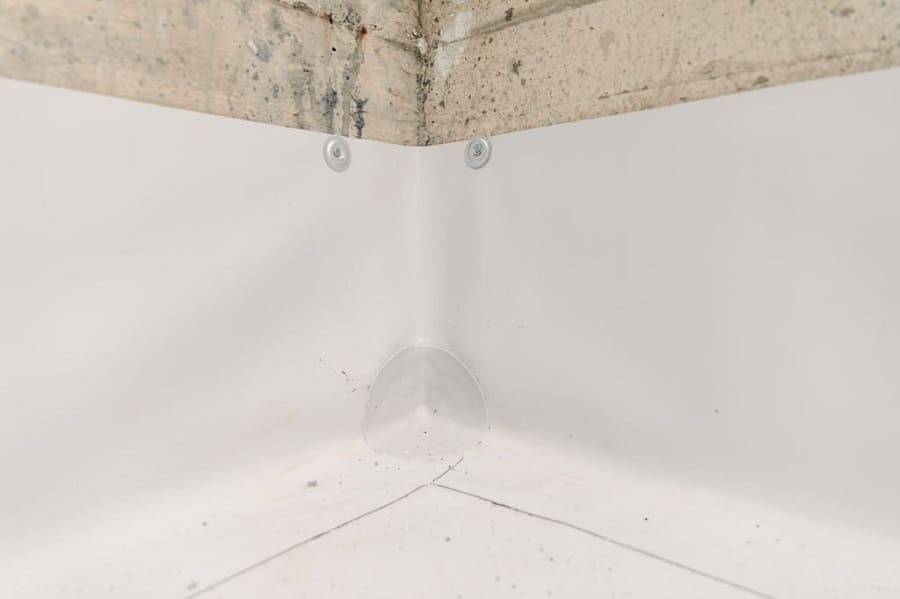
In general, a bathroom floor should be waterproofed before tiling. And when it comes to the shower floor, waterproofing goes without saying. Using a waterproof membrane and sealing the joints of the waterproof membrane are some of the ideal ways to protect the substrate from water and moisture. Also, it is imperative to seal the corners near the bath and shower.
Let’s delve deeper into the waterproofing a shower floor procedure before tiling.
The purpose of a shower pan is to hold the water that goes through the grout and cement. Install a mortar bed over the subfloor sloped to weep holes in the drain. As the mortar bed is sloped towards the drain, the tiles should then be installed.
A mortar bed provides load distribution and a bonding surface for the tile. Put a waterproofing membrane called pan liners over this slope and clamped it into the drain. Pan liners consist of copper, lead, polyvinyl chloride, or chlorinated polyethylene.
The hot mop is another method of waterproofing the shower floor before tiling. This process uses mortar mix cement, asphalt, fiberglass mesh, and roofing felt to build up pan liner. Layers of tar paper are adhered to cover the surface using hot asphalt. Once the hot mop process is complete, then the mud of the tile set is prepared to install tiles using thin-set mortar.
Liquid membrane waterproofing products are one professional waterproofing system used in bathrooms, alongside sheet membranes, and they require multiple coatings along with good drying time. The process requires no primers and seams to treat and transition through walls and corners, though each step still needs careful attention.
Just like a paint application, a liquid membrane such as Redgard is rolled, brushed, and sprayed onto the substrate; it’s the kind of thick coating often used over cement board. Before tiling, check that Redgard has changed from pink to red. However, you need to apply several coats to avoid voids or pinholes that allow water penetration to the substrate.
Using a liquid membrane is the easiest and cheapest waterproofing method. It can be applied to any surfaces that come into contact with water or moisture. This helps protect shower floors and bathroom walls from water damage and mold. As shower floors are susceptible to leakage, ensure these surfaces have slight pitches to the drains in addition to applying liquid membrane waterproofing.
In the sheet membrane, the substrate is bonded to the waterproofing system with either adhesive or a thin-set mortar, while professional waterproofing systems commonly use Liquid Membranes or Sheet Membranes for optimal protection. Usually, sheet membranes like elastomeric or plastic are used to bond to the substrate before installing tiles on the shower floor.
Due to their pliable nature, sheet membranes are easy to roll out onto the shower floor or any part of a wet room. They are also an effective way to protect against water damage and mold in wet bathroom areas. Some sheet membranes can also act as an acoustic barrier as they provide soundproofing.
Foam shower bases come in a kit that contains different components for the shower pan. These include membrane bonding shower drain, foam shower curb, corners, and seam tape. Foam shower bases are in standard sizes and designed for either right or left-hand drain orientation. Most importantly, these foam materials are trimmed to match any shower floor size and position of drains only by using a simple hand tool like a utility knife.
It is simple to install a foam shower base to the subfloor by using thin-set tile mortar. However, you must seal the seams with special membrane corner pieces or strips of fiberglass tape. You have to cover it with waterproof adhesives.
Kerdi is a hydrophobic polymer fabric that goes over prepared cement board in a shower surround before tile is installed. To start, install the backer board around the surround and make sure it is securely fastened to the studs before waterproofing. It adheres to any surface – concrete, cement, backer board, drywall, or wood shower floor. kerdi is designed to bond with thinset. Therefore, you can install the tile directly on top of the kerdi fabric. Before the membrane is applied, use self-adhesive backer board tape so seams, screw holes, edges, and any gaps are covered, then add mortar over those areas for a smooth, sealed surface. Since kerdi fabric is actively hydrophobic, overlapping kerdi seams create a completely waterproof seal.
RedGuard is just another name for paint-on waterproofing material. It bonds well with concrete, cement board, cement backboard, drywall, and plywood, so it can be applied over a properly prepared shower substrate before tiling. Before coating, seal all joints, corners, edges, and plumbing penetrations so vulnerable areas are fully covered. This is typically a rubbery paint that dries to form a plastic-like waterproof barrier. Paint-on waterproofing is code-approved for waterproofing shower floors before tiling.
Using any waterproofing materials for the shower floor gives peace of mind and solid results.
While some membranes have a sticky back and can be directly attached to the surface, others need some adhesive material to bond them to the surface. Waterproof sealing tape is required to seal the joints of the waterproof membrane. At changes of plane, 100% silicone caulk is preferred over standard acrylic caulk to help prevent moisture trapping. As a final step before tiling, flood test the shower pan by filling it with water and using it to check for leaks. Dense grout such as epoxy grout also helps limit water absorption after tile installation.
Moisture is the greatest threat to a bathroom, and proper waterproofing helps prevent major issues like catastrophic water damage and mold behind tiles from spreading into the house structure through leaks, poor shower and bathtub area waterproofing, and inadequate ventilation. Below are some of the impacts caused when waterproofing is skipped or done poorly.
Waterproofing the shower floor before tiling is a significant part of your bathroom. Hopefully, this article on how to waterproof a shower floor before tiling is helpful enough to guide you in your shower floor waterproofing plan.
Do you have to waterproof a bathroom floor before tiling?
Yes, waterproofing bathroom floor before tiling is essential to prevent water damage, mold growth, and structural issues. It ensures the entire floor and tub area remain protected from moisture.
How do you waterproof a shower before tile?
To waterproof a shower before tile, start by installing cement backer board around the entire surround, secure it to the studs, tape all seams with self-adhesive backer board tape, apply mortar over seams and screw holes, and then apply a liquid waterproof membrane like Redgard or install a sheet membrane.
What is the best method for waterproofing a shower base before tiling?
Using a liquid waterproof membrane or a sheet waterproof membrane are both effective methods. Liquid membranes like Redgard are easy to apply and provide a continuous waterproof barrier, while sheet membranes offer pliable and durable protection.
Can I waterproof an existing bathroom floor without removing tiles?
Waterproofing an already tiled shower or bathroom floor is problematic and often difficult. The best practice is to remove tiles to properly waterproof the substrate to avoid rot and leaks.
How long should I wait for waterproofing to dry before tiling?
Waiting at least 24 hours or according to the product instructions is necessary to ensure the waterproofing membrane is fully cured and ready for tiling.
Is epoxy grout necessary for waterproofing tiled shower floors?
Epoxy grout is highly recommended because it is dense and water-resistant, helping to maintain the waterproof seal and prevent water absorption through grout lines.
What common mistakes should be avoided when waterproofing a bathroom floor?
Common mistakes include not sealing joints and corners properly, using acrylic instead of silicone caulk at changes of plane, skipping flood testing, and not applying enough coats of waterproofing membrane.
How do I maintain waterproofing after tiling?
To maintain waterproofing, regularly inspect grout and sealant for cracks or scratches, clean tiles properly, and promptly repair any damage to prevent water infiltration.

Welcome to Tile Pro Depot! We established this site to service the specific needs of the tile installation professional. Tile installation tools, tile setting materials, premixed grout and more tile installation products online at Tile Pro Depot.