Military Discount
-

-

-
0

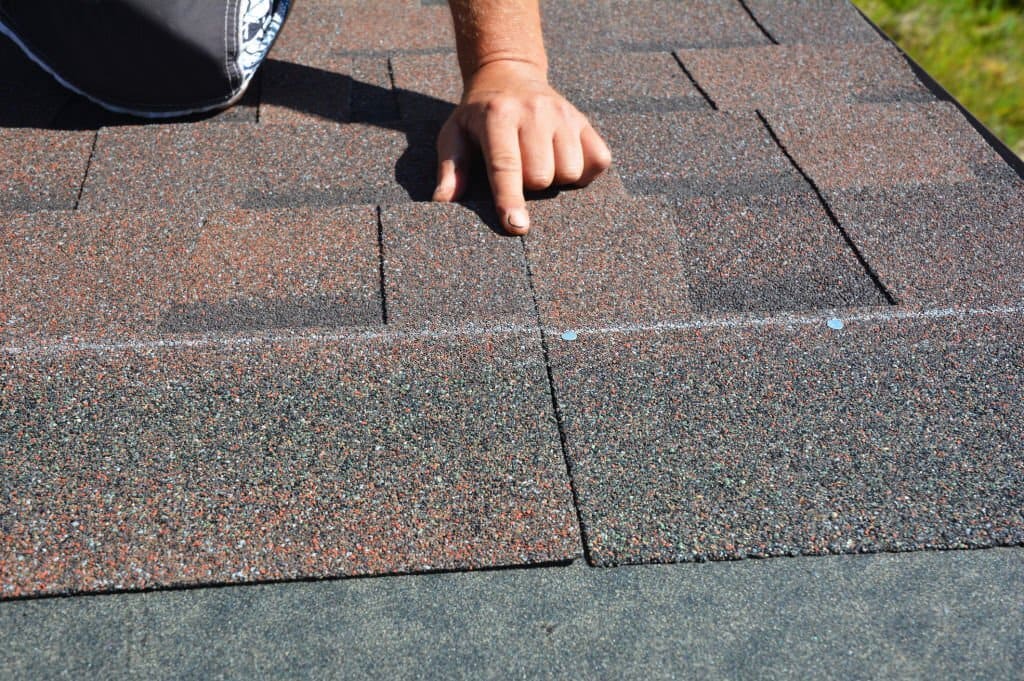
So, you’re thinking about putting down some tile, huh? That’s awesome! But before you get to the fun part of picking out the tiles themselves, there’s this whole other layer to think about: the underlayment. It’s basically what goes between your subfloor and the tile. Choosing the best underlayment for tile floors can seem a bit much with all the options out there. It’s not just about making things look nice; it’s about making sure your tile job actually lasts and doesn’t end up being a cracked, wobbly mess down the road. Let’s break down what you need to know.
Most importantly, underlayment smooths out uneven spots in a subfloor, thus creating an unbending layer that prevents the floor from flexing underfoot. Depending on the product, underlayment can also help manage moisture between the tile and the subfloor, which is especially important in a bathroom. Your choice should also meet local building codes where waterproofing or structural requirements apply.
Sheet
Using sheet goods such as Durock or Fiberock as tile underlayment material makes the floor more rigid. The sheet is applied to the wood subfloor to help reduce up-and-down movement.
Backer board is the most favored tile underlayment option when installing ceramic or porcelain tile, and common rigid panel choices include cement board and fiber cement board. Bedding refers to installing a backer board on top of a layer of the thin set that acts as an adhesive. The backer board is secured with screws to the subfloor below. An additional layer of thin set is then applied to the surface of the backer board to finally set the tiles. Do not install tile directly over plywood or similar wood panels without a proper underlayment layer.
It’s a tried-and-true material that offers excellent stability for tile installations. You’ll often see it used over wood or metal studs, and it’s a common choice for floors, walls, and even ceilings. While it’s great for general interior use, some types are specifically rated for exterior applications too, which is pretty neat.
Here’s a quick rundown of why it’s popular:
Cutting cement backer board can be a bit dusty and requires some effort, often needing a utility knife or a specialized saw. It’s also heavier than some newer alternatives. When installing, you typically embed it in a layer of thin-set mortar and then fasten it down securely. Following the manufacturer’s instructions for fastening and seam treatment is super important; skipping steps can cause problems down the road and might even void warranties.
When preparing a floor for cement backer board, it’s important to make sure the subfloor is as flat as possible. If there are dips or waves, you’ll want to fix those before you put the backer board down. Using a trowel-applied patching compound is a common way to level out any unevenness. This ensures the backer board sits flush, preventing potential issues with the tile installation later.
While it’s a solid choice, it’s worth noting that it’s not the only option out there. Newer materials have come onto the market that might be lighter or easier to work with, but cement backer board remains a reliable workhorse for many tile projects.
Foam backer boards are a newer player in the underlayment game, and honestly, they’ve got some pretty neat features. Think lightweight, totally waterproof, and a breeze to cut. This makes them a great option if you’re working on walls, especially in wet areas like showers. By contrast, drywall is only acceptable behind tile in a dry area, not anywhere that sees regular moisture.
However, their main drawback is the price tag. They tend to be more expensive than other options, which is why many folks opt for something else when it comes to floors. But if you’re looking for ease of installation and a material that won’t break down in moisture, they’re definitely worth considering. Their easier handling can also help reduce labor costs, even if the boards themselves cost more. You can even install them directly over a concrete subfloor, which is a nice bonus.
Here’s a quick look at what makes them stand out:
While foam backer boards are fantastic for their waterproofing and ease of use, their higher cost can be a barrier for some projects, especially for larger floor areas where budget is a primary concern. It’s a trade-off between convenience and expense.
Some popular brands you might see are Wedi, Schluter Kerdi-Board, and GoBoard. They’re designed to meet standards like ASTM C578 and ASTM D4068, so you know they’re built to last.
When you’re dealing with floors that aren’t quite flat, or maybe you need to create a specific slope, trowelable underlayments can be a real lifesaver. These are basically cement-based compounds mixed with water or a latex additive. They’re applied with a trowel, hence the name, to fix uneven surfaces. Think of them as a way to smooth out the bumps and dips and create a flat, level surface before you lay tile.
These products are great for correcting minor imperfections and creating a smooth, consistent surface. They’re not usually the go-to for massive leveling jobs, where a self-leveling underlayment might be better, but for targeted fixes, they’re pretty handy. You might need to do a bit of sanding after it dries to get it perfectly smooth, especially if you’re planning on another layer or just want a super-fine finish.
Here’s a quick rundown of what they’re good for:
It’s important to follow the manufacturer’s instructions closely. Some recommend applying a thin slurry coat first, letting it get tacky, and then applying the main mix. This helps with adhesion. You might also need to sand down any ridges left by the trowel. While they’re a solid choice among tile underlayment options, they do require a bit of skill to apply evenly. If you’re working with a wood subfloor, making sure it’s properly prepared is key, and sometimes a trowelable underlayment is used over a plywood underlayment to achieve that perfect flatness.
Trowelable underlayments are a versatile tool for tile installers, offering a way to precisely address surface irregularities that other methods might miss. They require a steady hand and attention to detail for the best results.
Sometimes, your subfloor isn’t perfect. Maybe there are small cracks, little low spots, or just some rough patches that won’t do for tiling. That’s where patching compounds come in. Think of them as the spot-fixers for your floor or wall before you lay down tile.
These aren’t for fixing major structural issues, mind you. They’re more for those minor imperfections that could cause problems down the line, like unevenness leading to tile lippage or weak spots. Patching compounds help create a smooth, uniform surface for a better tile installation.
Most patching compounds are cement-based and you mix them with water, or sometimes a latex additive for extra strength and flexibility. You apply them with a trowel, kind of like spreading peanut butter, to fill in those problem areas. They’re designed to stick well to concrete and wood, and they dry pretty fast so you can move on with your project.
Here’s a quick rundown of what they’re good for:
It’s important to prep the surface well before you start. You’ll want to clean up any dust, debris, or loose bits. For really smooth finishes, you might need to do a bit of sanding after it dries, especially if you’re using a thicker patching compound.
While they’re great for small jobs, if you’ve got a really uneven floor or a large area to fix, you might need something more substantial, like a self-leveling underlayment. But for those quick touch-ups and minor repairs, a good patching compound is a lifesaver.
Pourable self-leveling compound should be mixed with water to form liquid consistency and then poured on the surface. It is then evenly spread with large push-type trowels or rollers. The goal is to eliminate low spots and create a uniform tile surface before installation. Because of its liquid consistency, the product seeks its level in low areas and uniformly spread on the floor surface. However, before installing the tile, the product must be allowed to dry for 24 hours.
Membranes are made of polyethylene and come either in the form of rolls or thin sheets. They are easy to install and offer benefits like waterproofing and soundproofing. The primary benefit of an uncoupling membrane is that it lets the tile and substrate move independently. This helps manage subfloor movement and lowers the risk of a cracked tile. You can also use a crack isolation membrane that protects the tile from existing issues with the subfloor. tile underlayment membrane
Different types of membranes
Here’s a quick rundown of why they’re so popular:
It’s worth noting that not all uncoupling membranes are created equal. Some are specifically designed for crack isolation, meeting certain standards like ANSI A118.12. Others might offer waterproofing too. Always check the manufacturer’s specs to make sure you’re getting what you need for your specific project. For example, when installing radiant floor heating, you’ll want to use unmodified thinset over certain membranes to get the best results.
When you’re choosing an uncoupling membrane, think about the specific demands of your space. High-traffic areas, potential moisture, and the type of subfloor all play a role. These membranes are useful over concrete slabs as well as wood-framed floors. Getting this layer right is a big step towards a tile floor that looks great and lasts for ages.
Sometimes, your subfloor isn’t perfect. Maybe it’s concrete with some tiny cracks, or perhaps it’s just prone to shifting a bit. That’s where crack isolation membranes come into play. Their main job is to act as a buffer, preventing those little cracks in your subfloor from traveling up and messing with your beautiful tile, while helping keep minor substrate cracks from telegraphing into the finished tile surface in areas with heavy foot traffic. Think of it like a shock absorber for your floor.
These membranes are designed to meet specific industry standards, like ANSI A118.12, which basically means they’re tested to handle minor in-plane substrate cracking. They need to be bonded to the subfloor to do their job right. Some of them are even thick enough that you can set your tile directly onto them, which is pretty neat.
Here’s a quick rundown of what they do:
There are a couple of ways these are applied. You’ve got sheet membranes, which are often peel-and-stick or applied with thinset, and then there are liquid-applied versions. While liquid options might seem cheaper upfront, getting a consistent, thick enough coat can be tricky. Sheet membranes, like the ProFlex 225 sq ft Peel and Stick Crack Isolation 40 Mil Underlayment, are generally reliable performers.
It’s important to remember that not all uncoupling membranes are also crack isolation membranes. While some products might do both, if a membrane is only claiming to prevent cracks without meeting the specific ANSI A118.12 standard, it’s worth double-checking what that really means for your project.
Popularly known as SLU, self-leveling underlayment is designed to flatten or level a floor surface before installing tiles. However, the floor surface must be primed properly with suitable products and allowed to dry. You need to pay extra attention while applying SLU so that once the application is complete, the laser, bubble of level, or transit must indicate an even surface level, especially before installing large porcelain floor tile. How to Use Self-Leveling Underlayment
Critical factors to consider in an SLU project –
Underlayment does a great job to ensure that the finished tile installation looks the way it should be flat, even, and lippage-free.
Here’s a quick rundown of what goes into a successful SLU pour:
While it might seem like magic how it levels itself, the success of self-leveling underlayment really comes down to careful preparation, precise mixing, and quick, efficient application. It’s not a product you can afford to rush.
The goal is a perfectly flat surface, ready for whatever tile you plan to lay down. It’s a bit of work, but when done right, it makes all the difference for a professional-looking tile job.
So, you’ve got a plywood subfloor and you’re wondering about the best tile underlayment over plywood. Sometimes, people add a second layer of plywood, called plywood underlayment, right on top of the existing subfloor. This is usually about half an inch thick and should be exterior-grade plywood, not OSB or particle board. On a second story, this setup is usually going over a wood subfloor, so you should also verify the condition of the floor joists.
Why bother with this extra layer? Well, it can add some structural strength and raise the floor height a bit, but the floor should be structurally sound before you add tile layers. It’s often considered when you’re installing natural stone or just want a stiffer base for your tile. However, it’s generally not recommended to tile directly onto plywood, even if it’s exterior grade. Wood has a tendency to move and swell with changes in moisture, which can lead to problems down the road.
Think of it like this:
While adding a layer of plywood underlayment is an option, many pros prefer other underlayment types that offer better crack isolation or uncoupling properties. If you’re set on using plywood, make sure it’s installed correctly, with the right fasteners and adhesive, to minimize movement.
When considering the best tile underlayment over plywood, remember that while plywood underlayment itself can be a layer, it’s often best paired with another underlayment on top of it for optimal tile performance, especially in areas prone to moisture or significant temperature fluctuations.
Liquid-applied membranes are a bit like painting your floor, but with a special liquid that hardens up to create a protective layer. You can brush or roll these on, and they’re great for waterproofing and also for stopping small cracks in the subfloor from messing up your tile job. They can be a good option if you’re looking for a seamless barrier.
These membranes are applied directly to the substrate and cure to form a monolithic, waterproof layer. They’re often used as part of a full waterproofing system in wet areas like bathrooms and kitchens, or anywhere moisture is a concern. Because they form a continuous barrier, they can prevent water from seeping through grout lines or around fixtures.
Here’s a quick look at what they offer:
However, it’s really important to get the thickness right. If you don’t apply enough, it won’t do its job properly. Also, you need to wait for it to cure completely before you can tile over it, which adds to your project time.
Applying a liquid-applied membrane requires careful attention to detail. Consistency in thickness is key to achieving effective waterproofing and crack isolation. Skipping steps or rushing the curing process can lead to premature failure of the tile installation.
When you’re looking for the best underlayment for tile floors, especially for something like the best underlayment for porcelain tile or the best underlayment for ceramic tile, rubber tile underlayment is definitely an option worth considering. It’s not as common as some other types, but it has some pretty neat benefits.
Think of it as a shock absorber for your floor. This kind of underlayment is made from recycled rubber, which gives it a unique set of properties. It’s great at absorbing impact and reducing noise, so if you’ve got a busy household or live in an apartment building, this could be a game-changer for keeping things quiet, and it can also be useful where heavy use is expected.
Here are some of the main advantages:
While it might not be the first thing that comes to mind when thinking about the best underlayment for tile floor, rubber tile underlayment offers a unique blend of comfort, sound reduction, and durability. It’s a solid choice for creating a more pleasant and long-lasting tiled space. It’s important to make sure you’re picking a product designed specifically for tile, as not all rubber underlayments are created equal. Some are better suited for laminate or engineered wood, so always check the manufacturer’s recommendations. For areas that need serious moisture protection, you might want to look into products that offer enhanced waterproofing, like some of the options discussed in choosing the correct underlayment for tile floors. The right choice still depends on whether your substrate is wood or concrete.
Rubber tile underlayment can be a fantastic choice for adding comfort and reducing noise, but it’s always a good idea to check the specific product’s specifications to ensure it meets the requirements for your particular tile and subfloor situation. Not all rubber products are designed for the same purpose.
Most of the time, yes. While you can sometimes put tile straight onto concrete if it’s perfectly flat and crack-free, most floors, especially wood ones, need an extra layer. This layer, called underlayment, helps make the floor flat, strong, and protects it from moisture and movement, which can crack your tiles.
The main job is to create a solid, flat base for your tiles. It acts like a protective shield between your floor’s main structure (the subfloor) and the tiles. This prevents tiles from cracking, grout from breaking, and keeps your floor looking good for a long time.
You shouldn’t put tile directly on plywood subflooring. While you can add a layer of plywood *over* your subfloor as an underlayment, it’s often recommended to add another layer, like a crack isolation membrane, on top of that plywood. This is because wood can move and swell with changes in moisture.
Cement backer board is a rigid sheet made of cement and fiberglass. It’s been used for a long time and provides a solid surface. However, it can crack if the floor underneath moves a lot. Other underlayments, like uncoupling membranes, are designed to absorb or block this movement, preventing cracks in the tile.
If your floor has dips or bumps, you’ll need to fix it before tiling, and a tile setter will often check flatness with leveling tools before recommending patching or self-leveling products. Products like self-leveling underlayment or trowelable patching compounds are used to create a perfectly flat and smooth surface. This is super important, especially for large tiles, to avoid uneven edges.
Yes, some underlayments are designed to be waterproof or water-resistant. These are especially useful in bathrooms, kitchens, or laundry rooms where moisture is a concern. They help prevent water from getting into the subfloor and causing damage or mold.
Welcome to Tile Pro Depot! We established this site to service the specific needs of the tile installation professional. Tile installation tools, tile setting materials, premixed grout and more tile installation products online at Tile Pro Depot.