Military Discount
-

-

-
0

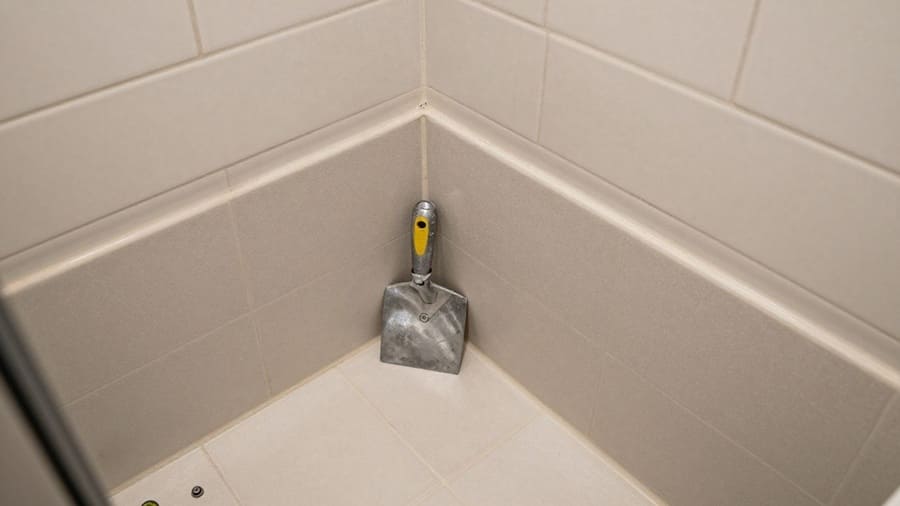
So, you are thinking about tackling the shower pan installation for your new tile shower? It is a big job, and honestly, it is not for the faint of heart. Get it wrong, and you will deal with leaks and water damage down the road, which is a massive headache. This guide covers how to install a shower pan for tile, focusing on making sure you do it right the first time.
Because shower bases vary drastically, we have separated this guide into two distinct methods: the traditional PVC/CPE liner with a clamping drain and mortar beds, and the modern prefabricated shower pan systems. Pick your system, follow the specific steps, and you will build a solid base for your tile.
The base of your new shower is where the magic starts. The shower pan is the foundation for your entire tile job. It needs to be in place and sealed before any tiles go up.
Your subfloor needs to be rock solid. If it is weak, reinforce it by adding another layer of plywood. Make sure the subfloor is clean and free of debris that could damage the waterproofing later. Set any nail heads flush with the surface. A flat, level, and solid subfloor is the goal for any shower pan system. Clearance and framing gaps are system-specific, so always use your chosen pan manufacturer’s installation instructions rather than relying on a universal measurement.
This classic method involves a pre-sloped mortar bed, a waterproof liner, a clamping drain, and a final top layer of mortar.
Estimating Material Requirements
Calculate your deck-mud material based on the drain height, shower dimensions, and the required 1/4-inch per foot slope. Match your bonding method to the substrate and code requirements. Over a concrete slab, use a bonding slurry of thin-set mortar under the deck mud. Over a wood subfloor, you typically use a cleavage membrane and metal lath before laying the mortar bed.
Creating The Sloped Mortar Bed
The goal is a consistent pitch of about 1/4 inch for every foot, running from the walls down to the drain. Deck mud is commonly mixed at a 4:1 to 5:1 ratio of sand to Portland cement, or you can use a manufacturer-approved mortar mix.
Mix the mortar to a workable, packable consistency. Pour it in and pack it down using a wooden float to remove air pockets. Smooth the surface with a steel trowel. Allow this mortar to cure per the manufacturer’s instructions before installing the liner; overnight may not be enough depending on conditions.
Installing The Waterproof Membrane
For a traditional pan, use an approved PVC or CPE shower pan liner that meets local plumbing codes.
Securing The Drain Assembly
Tighten the top drain ring bolts slowly and evenly to distribute pressure and create a consistent seal. Overtightening can warp the drain flange or tear the membrane.
Testing The Shower Pan For Leaks
Plug the drain and fill the pan with water to a depth of 2 to 3 inches. Let this sit overnight. Check the ceiling below and inspect the outside of the pan for any escaping water. If everything is dry, your shower pan is leak-free.
Applying A Second Mortar Layer For Tile Support
Spread a top layer of mortar (usually around 1-1/4 inches thick at the drain, checking tile manufacturer recommendations) over the liner. Use a trowel to pack it firmly, maintaining the 1/4-inch per foot slope to the drain. Allow this layer to cure for at least 24 hours.
Installing Wall Backer Board
Keep cement-board and liner fasteners out of the protected lower area. Follow the safe rule: do not drive fasteners through the liner lower than 3 inches above the finished threshold on wall returns. Keep the bottom of the backer board raised off the pan floor, following the board and shower receptor manufacturer’s instructions for exact placement and gaps. Use manufacturer-approved, corrosion-resistant cement-board screws.
Prefabricated pans are a completely different system from a traditional liner and clamping-drain mud pan. Do not mix the installation steps between systems.
For the prefabricated or surface-waterproofed option, we recommend using the LATICRETE HYDRO BAN Shower Pan on Tile Pro Depot. Pair it directly with LATICRETE HYDRO BAN Adhesive & Sealant (Tile Pro Depot SKU 9099-0601-2).
These systems do not use deck-mud volume calculations or traditional PVC liners. Instead, you secure the pre-sloped foam or composite base directly to the subfloor according to the exact instructions provided on the manufacturer’s data sheet. You then apply the manufacturer’s specific liquid or sheet waterproofing membrane directly to the surface, which sits right below the tile. Follow the specific product manuals for drain connections, wall board gaps, and leak testing procedures.
Taking your time with the pan and the waterproofing layers is vital. Water is persistent, but if you follow the correct steps for your chosen system, you will have a durable, leak-free foundation. Now, go ahead and get those tiles installed!
Why is the shower pan so important?
The shower pan is the foundation of your shower. Its main job is to catch all the water and send it down the drain. Proper installation prevents costly water damage and keeps your shower lasting a long time.
What is the deal with the slope in the shower pan?
The shower pan needs a slight slope, usually about 1/4 inch for every foot, going toward the drain. This slope ensures water runs off quickly. Poor drainage leads to leaks and mold.
What is the ‘mud bed’ for?
In a traditional liner system, the mud bed is a layer of a sand and Portland cement mix. A pre-slope bed goes under the liner, and a top bed goes over the liner to provide a flat, sloped surface that supports your tiles.
Can I skip the waterproof membrane?
No way! The waterproofing layer is essential, but the material depends on your system. Traditional pans use approved PVC or CPE liners that sit below the top mortar bed. Prefabricated or surface-waterproofed pans use specific liquid or sheet membranes that sit directly below the tile.
How do I know if my shower pan is installed correctly before tiling?
The best way to check is a leak test. Plug the drain, fill the pan with a few inches of water, and let it sit for at least 24 hours. If the water level stays the same and you see no drips, you have a solid seal.
What is the purpose of the backer board on the walls?
Cement backer board gives your wall tiles a strong surface to stick to. It is crucial not to let the bottom edge of the board sit directly on the shower pan floor, as moisture can wick into the walls. Follow your system’s instructions for the proper gap height.

Mitchell Moss works with Tile Pro Depot and contributes practical content for professional tile installers, remodelers, and serious DIY users. His articles focus on tile installation tools, setting materials, waterproofing systems, grout, underlayments, and jobsite techniques. Through the Tile Pro Depot blog, he helps readers better understand product applications, compare installation approaches, and make informed material choices using manufacturer guidance, industry standards, and practical considerations that can affect the durability and performance of a tile installation.