Military Discount
-

-

-
0

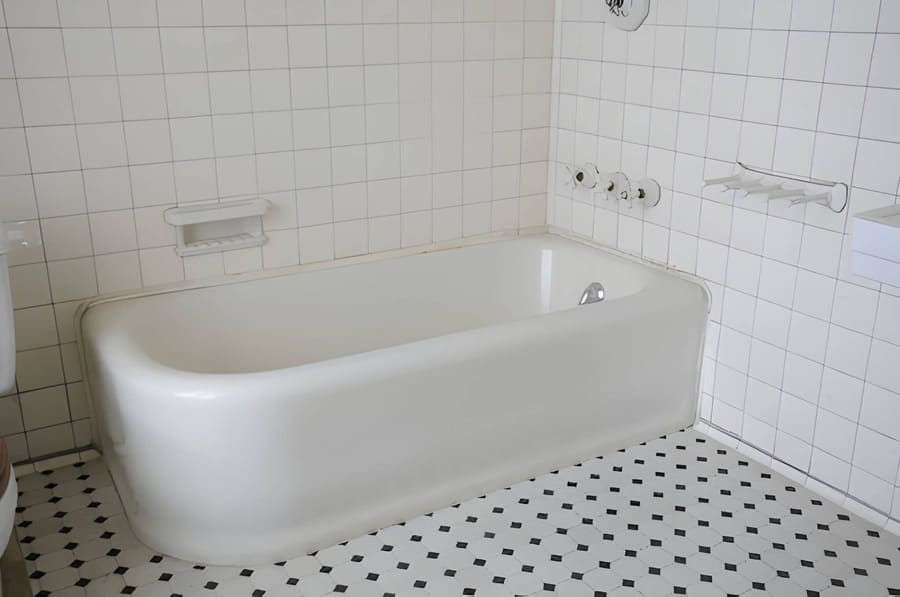
A bathroom renovation is rarely about a single surface. New tile goes on the walls, and suddenly the tub looks ten years older by comparison. A refinished tub transforms the focal point, but the floor tile still reads as 1994. The shower surround gets replaced, but the surrounding wall tile doesn’t match the new grout color.
For contractors managing full bathroom transformations — and for homeowners trying to coordinate them — understanding the full menu of surface restoration options is what separates a bathroom that looks comprehensively renovated from one that looks piecemeal. New tile is often the right answer for some surfaces. Professional reglazing and refinishing is the right answer for others. Knowing which is which is the skill that makes a renovation budget go furthest and a finished bathroom look most cohesive.
This guide covers the three primary surface categories in a bathroom renovation — tile, bathtub, and shower surround — and what the best restoration approach looks like for each.
Tile is the surface that most directly defines the visual character of a bathroom. Its color, scale, and condition influence how everything else in the room is perceived — which means getting the tile decision right is the foundation of a successful renovation.
New tile installation is the right choice when the existing tile is cracked through, when the substrate behind it is compromised, when the layout needs to change, or when the homeowner wants a genuinely new design direction that can’t be achieved by changing color alone. There’s no substitute for new tile when the situation calls for it.
But a significant percentage of tile in aging bathrooms is structurally intact and simply cosmetically degraded — stained, dull, discolored, or outdated in color. For this tile, professional tile reglazing is a legitimate and often superior alternative to replacement. A bonded coating applied over prepared tile and grout transforms the color and restores the surface finish without demolition, debris, or the cost and lead time of new tile sourcing and installation.
The practical advantages are significant. Grout lines — which are notoriously difficult to keep clean — are sealed under the new coating, eliminating the porosity that caused staining in the first place. Outdated colors like harvest gold, avocado green, or builder-grade beige are converted to whatever tone works for the renovated room. And the timeline is a fraction of re-tiling: one professional visit, one cure period, done.
For contractors, understanding tile reglazing as a service option — whether offered directly or subcontracted to a specialist — opens up a category of bathroom jobs where the client’s budget doesn’t support full re-tiling but the cosmetic result is still important. It’s a gap-filler that keeps work moving and clients satisfied.
The bathtub is the largest single fixture in most bathrooms and the one whose condition most directly shapes the overall impression of the space. A bright, smooth tub makes a bathroom feel clean and well-maintained regardless of what surrounds it. A yellowed, chipped, or dull tub undermines every other improvement in the room.
This outsized visual influence is what makes bathtub refinishing one of the highest-return investments in a bathroom renovation. For tubs that are structurally sound — no significant flex, no leaks, no cracked-through substrate — professional refinishing delivers a result that is visually indistinguishable from new at a fraction of replacement cost.
The process involves thorough surface preparation, chip and crack repair, application of a bonding primer appropriate for the tub’s material (porcelain enamel, fiberglass, acrylic, or cast iron each require different approaches), and a professional two-part urethane topcoat applied in controlled layers. Done correctly by an experienced technician, the result is a smooth, uniformly glossy surface that lasts ten years or more with proper maintenance.
For bathroom renovations where new tile is being installed, the sequencing decision matters: refinish the tub last, after tile work is complete, to protect the new finish from construction dust and debris. The refinishing contractor can then see the completed tile and coordinate the tub finish color to complement it — a level of coordination that produces far more cohesive results than making each surface decision in isolation.
Replacement makes sense when the tub has genuine structural failure — leaks, severe flex, or damage that surface treatment can’t address. For everything else, refinishing is the smarter allocation of renovation budget, freeing resources for the tile, fixtures, and hardware that benefit most from new product.
In bathrooms with a separate shower enclosure, the surround presents its own set of decisions. Fiberglass and acrylic surrounds are the most common in residential construction from the 1970s through the 2000s, and they share a predictable aging pattern: the gel coat or surface finish oxidizes and dulls, crazing develops from thermal cycling, hard water staining accumulates, and the original color — often an off-white or almond that seemed neutral at the time — no longer works with anything contemporary.
For surrounds that are structurally intact, professional refinishing addresses all of these conditions in a single visit. The failed surface is replaced with a new, durable coating that restores gloss, eliminates staining, and can be specified in any color the project requires. The shower pan can be addressed at the same time, giving the entire enclosure a unified, freshly finished appearance.
This matters particularly when new tile is being installed in the same bathroom. A bathroom where the wall tile is fresh and well-chosen but the shower surround still looks like 1988 is a bathroom that reads as half-finished. Addressing the surround as part of the same project — whether through refinishing or replacement, depending on its condition — is what makes the overall renovation feel complete.
For fiberglass specifically, the refinishing process requires bonding primers formulated for polyester resin substrates, and repair materials that flex with the fiberglass rather than cracking away over time. This is specialized work; a contractor evaluating a refinishing subcontractor for shower surround work should ask specifically about their fiberglass experience, not just their general refinishing background.
The bathrooms that look most successfully renovated are the ones where every surface reads as intentional. New tile in a fresh color, a refinished tub that matches or complements it, a shower surround that doesn’t undercut the investment made everywhere else. This coordination doesn’t require replacing everything — it requires making the right call for each surface and sequencing the work so each element benefits from the decisions made before it.
A practical framework for most bathroom renovation projects:
Assess each surface independently. Structural condition determines whether replacement is necessary. Cosmetic condition determines whether refinishing is sufficient. Don’t default to replacement when refinishing addresses the actual problem.
Sequence refinishing last. Tile work, flooring, painting, and fixture installation all generate dust and debris that can damage a fresh refinishing job. Schedule surface refinishing as the final trade in the bathroom.
Coordinate colors across surfaces. A single contractor handling tub, tile, and shower surround refinishing can ensure color consistency across all three. When surfaces are addressed by different contractors at different times, coordination is harder and the result often shows it.
Match the investment to the surface’s role. New tile deserves a tub and shower surround that don’t undercut it. Refinishing those surfaces to complement new tile is a fraction of the cost of replacing them — and the visual contribution to the finished bathroom is equivalent.
For contractors and homeowners in Brevard County and Florida’s Space Coast, Coastal Resurfacing specializes in professional tile, bathtub, and shower surface refinishing for residential and commercial projects — the kind of complete surface restoration work that complements new tile installation and makes a bathroom renovation look genuinely finished.
Tile selection and installation is the foundation of a great bathroom renovation. Surface refinishing is what completes it. Understanding both — and knowing when each is the right call — is what gives contractors the ability to deliver bathrooms that look comprehensively transformed, and gives homeowners the confidence that their renovation budget was spent where it mattered most.
The surfaces that define a bathroom’s character are tile, tub, and shower surround. Get all three right, in the right sequence, with the right approach for each — and the result speaks for itself.

Welcome to Tile Pro Depot! We established this site to service the specific needs of the tile installation professional. Tile installation tools, tile setting materials, premixed grout and more tile installation products online at Tile Pro Depot.