Military Discount
-

-

-
0

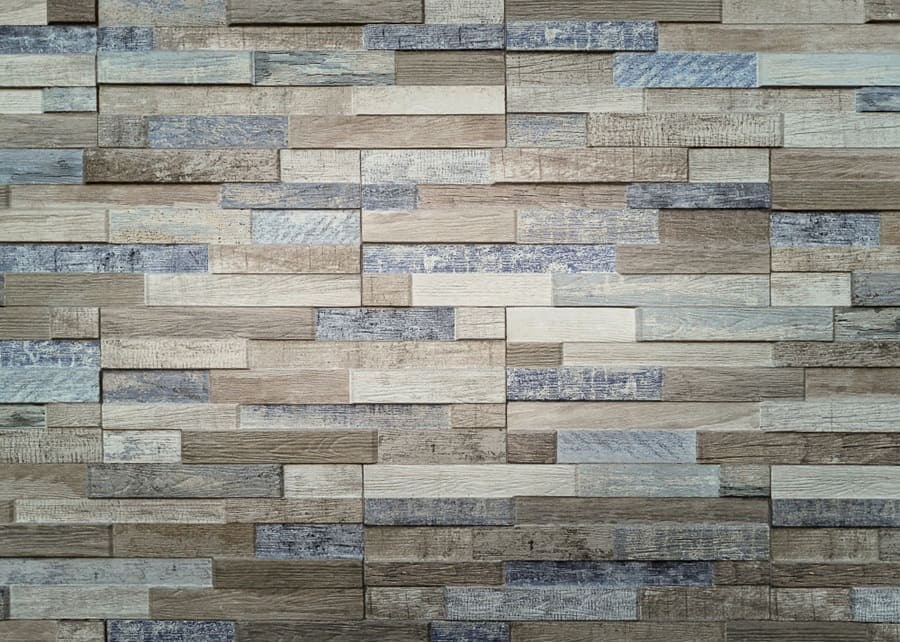
Every contractor has a version of this story.
The tile was specified, approved, ordered, and installed. The homeowner signed off at every stage. Then the grout dried, the room came together, and somewhere between the final walkthrough and the client seeing it in natural light for the first time, something shifted. Maybe the color reads differently on 200 square feet of wall than it did on a four-inch sample. Maybe the undertones clash with the vanity in a way nobody anticipated. Maybe the client just changed their mind, which clients are allowed to do, frustrating as it is.
And now you’re standing in a bathroom with perfectly installed, structurally sound tile — good adhesion, clean grout lines, solid substrate — and a client who doesn’t want to look at it.
The instinct, especially if the client is pushing for it, is to talk about a tear-out. But before that conversation goes anywhere, it’s worth knowing there’s another option that most contractors and homeowners don’t think to reach for first.
The phrase “tile refinishing” or “tile reglazing” tends to conjure images of a spray can and a mediocre result. That association comes from the consumer DIY end of the market, where the products are genuinely limited, and the outcomes often reflect it. Professional tile coating systems are a different category entirely, and the gap between the two is significant enough that they probably shouldn’t share a name.
A professional-grade tub and tile paint system, such as those from Zen-Tek Coatings, involves actual surface preparation — chemical deglazing of the existing tile to create a bondable profile, a two-component epoxy primer engineered for adhesion to ceramic and porcelain, and a durable topcoat that cures hard and holds up under daily use in a wet environment. The chemistry behind these systems has advanced considerably in the last decade, and when the process is done correctly, the results are hard to distinguish from a new tile in any practical sense.
What that means for a contractor in the scenario above is that a color change on installed tile — even a significant one — is achievable without touching the installation itself. The tile stays. The substrate stays. The grout lines stay. What changes is the surface color and finish, which is, after all, the only thing the client actually objected to.
This is where refinishing starts to look genuinely interesting rather than just practical.
The obvious application is a straight color change — taking a tile that’s too warm, too cool, too beige, or too bold and landing it somewhere the client actually likes. That works well and covers a lot of situations. But professional coating systems open up possibilities that replacement tile often can’t match at a comparable price point.
Faux stone and multi-shade finishes are a good example. A skilled applicator can layer tones within a topcoat system to produce a finish that suggests depth, variation, and texture — the visual character of travertine, limestone, or concrete without the tile actually being any of those things. For a client who approved a flat white tile and then decided the room felt clinical, a warm stone-effect finish applied over the existing installation can transform the space in a way that a straight color swap wouldn’t.
Matte, satin, and gloss finishes are all achievable. Anti-slip additives can be incorporated for shower floors and wet areas. Clients who want something that doesn’t look like standard ceramic tile — a finish with more personality, more warmth, more movement — have more options through refinishing than they might through a tile replacement, where they’re constrained to whatever’s in stock or available to order.
Recommending a tear-out when a client is unhappy with their tile color has a cost that doesn’t always get calculated clearly. There’s the labor and debris of the demolition. There’s the lead time on new tile, which can stretch considerably depending on what the client now wants instead. There’s the question of whether the substrate survives the removal intact. And there’s the dynamic it creates with the client — even when the color issue genuinely isn’t the contractor’s fault, a tear-out and reinstall turns a cosmetic disagreement into a significant project, and those situations have a way of generating friction.
Refinishing sidesteps most of that. A professional tile coating job on a standard bathroom typically wraps in a day. The mess is minimal compared to demolition. The timeline is short enough that the client isn’t displaced for long. And the cost difference between refinishing and replacement — both in labor and materials — is substantial enough that it’s a meaningful conversation to have before anyone starts talking about renting a dumpster.
For contractors who work repeatedly with the same clients or in the same communities, being the person who solved a problem creatively rather than expensively tends to generate goodwill that’s hard to put a dollar value on. “He found a way to fix it without tearing everything out” is a story clients tell.
Not every tile situation is a good refinishing candidate, and being honest about that matters.
Tile that’s cracked, loose, or installed over a failing substrate needs the structural issues addressed first. Refinishing is a surface treatment — it changes what the tile looks like, not what it’s doing mechanically. If the installation itself has problems, a coating isn’t the answer to those problems.
Tile that’s in good shape but the wrong color, wrong finish, or wrong visual character is exactly what professional tile refinishing is designed for. Ceramic wall tile, porcelain tile, fiberglass surrounds, acrylic enclosures — all of these are well within the scope of what modern coating systems handle. Heavily textured tile surfaces require more preparation and skill to coat evenly, but they’re manageable for an experienced applicator.
Grout lines are worth a specific mention. They’re refinishable too, which matters because grout color is often part of what a client objects to. A client who approved light grout and ended up with something that shows every bit of soap residue has a legitimate complaint, and refinishing the tile surface while addressing the grout color in the same project is possible.
The broader point here isn’t that refinishing replaces tile installation — it clearly doesn’t, and nothing about this changes the fact that new tile gets specified and installed every day for good reasons. Fresh tile on a new build, a full gut renovation, a significant layout change — these are replacement scenarios, not refinishing ones.
What refinishing does is give contractors and homeowners a real alternative when the tile itself is fine, but the finish isn’t working. That alternative is cheaper than replacement, faster than replacement, and less disruptive than replacement. It opens up color and finish possibilities that shopping for new tile sometimes can’t match. And it turns a situation that could become a significant problem — an unhappy client, a potential dispute, a costly do-over — into a manageable one-day fix.
For anyone working in tile installation, knowing this option exists and understanding when to reach for it is just good professional knowledge. The scenario that opens this piece — good installation, wrong color, unhappy client — happens more than anyone admits. Having a clear answer for it is worth something.

Welcome to Tile Pro Depot! We established this site to service the specific needs of the tile installation professional. Tile installation tools, tile setting materials, premixed grout and more tile installation products online at Tile Pro Depot.