Military Discount
-

-

-
0

For many centuries, tile has been installed on reinforced mortar beds that are free to move independent of the subfloor. This was done with a weakly bonded plane situated between the reinforced mortar bed and the subfloor. If the subfloor moves and cracks, it won’t be spread to the underlayment or through to the tiled surface. Unfortunately, this method of installation adds 1.5 to 2” of extra height to the floor (as well as weight), and many installs today don’t account for that.
This is where uncoupling mats and backer board come into play.
Uncoupling membranes and backer boards serve as essential underlayments for tile installations, but they address different challenges in floor applications.
An uncoupling membrane, also known as a decoupling membrane, is a flexible plastic mat—often made from polyethylene—designed to prevent stress cracks by allowing horizontal movement between the tile and the subfloor. This membrane creates an air space and absorbs lateral movement, protecting tile and grout from cracking caused by subfloor shifts or expansion. Typical uncoupling membranes, such as Schluter Ditra or Laticrete uncoupling membrane, come in rolls approximately 39 3/8 inches wide and lengths ranging from 54 to over 300 square feet. They are installed by embedding the membrane into a layer of thinset mortar applied over the subfloor, which can be plywood or OSB subfloor. The fleece side bonds to the mortar when firm pressure is applied, creating full coverage without the need for mechanical fasteners.
Backer boards are rigid panels, usually made from cement and fiberglass mesh or fiber cement (such as HardieBacker), that provide a flat, water-resistant surface and add structural stiffness to the floor. They are typically available in 3 ft. x 5 ft. sheets with thicknesses of 1/4 inch or 1/2 inch. Backer boards are fastened to the subfloor using screws, and all seams must be taped with alkali-resistant mesh tape and filled with mortar to create a continuous surface. Unlike uncoupling membranes, backer boards do not allow for lateral movement and therefore do not provide crack isolation. However, they can help correct minor unevenness and support heavy tile loads, making them suitable for certain floor applications and wet areas.
When installing an uncoupling membrane such as Schluter Ditra or Laticrete Strata Mat, the subfloor should be clean, level, and free of debris. Thinset mortar is applied with a trowel in a consistent direction, and the membrane is pressed firmly into the mortar to ensure full coverage and bonding. Seams can be sealed with Kerdi band to enhance waterproofing, especially in wet areas. Tile can often be installed the same day as membrane installation, reducing project time.
Backer board installation involves laying sheets over a thinset mortar bed on the subfloor, fastening with screws every 8 inches, and taping and filling all seams with alkali-resistant mesh tape and mortar. This process is more labor-intensive and requires careful planning to stagger joints and allow for expansion gaps around the perimeter.
Cement board is generally about half the cost of Schluter Ditra and similar uncoupling membranes. For example:
While backer board is more budget-friendly, uncoupling membranes offer advantages in ease of installation, waterproofing, and crack prevention.
Uncoupling Mats: By definition, uncoupling mats are flexible plastic membrane systems, often made of polyethylene, that are geometrically configured to provide air space between the tile and the substrate, allow horizontal movement between the two, and help protect tile and grout from stress cracks.
In standard tile installations, you use either this type of underlayment or a backer board, not both.
Uncoupling Mats is ideal for:
Backer Boards: Backer boards are rigid sheets, including cement board and foam options, that create a flat, water-resistant surface, add structural stiffness, and provide a stable base that can support heavy tile loads.
Best suited for:
Just reading the definitions alone doesn’t provide too much of a difference, as both uncoupling mats and backer board are used to prep the subfloor to help prevent loss of bond over time when installing tile. Both are fairly recent developments, and are good alternatives to traditional methods when you don’t have the option to add much extra height to the floor. Backer board can also help correct minor unevenness, while membranes are more about movement management when the subfloor is already structurally sound.
So what exactly is the difference between uncoupling mats and backer board? When it comes down to it, the main differences lay in the makeup, purpose, and installation of the products.
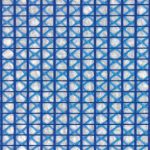
Uncoupling mats are membranes with mesh on one side and fleece on the other; products like schluter Ditra come in rolls rather than rigid panels, with common sizes including 39 3/8-inch-wide rolls in 54, 150, or 323 sq. ft. lengths, and they are installed by using thinset mortar on the subfloor and pressing the mat in place instead of fastening it. The fleece is bonded when you apply firm pressure so the mat fully embed into the mortar, and tile can often be installed the same day. Uncoupling mats provide crack isolation protection because they allow lateral movement and help prevent cracks in tile and grout.
Backer boards are made as rigid panels of concrete and fiberglass mesh, and a common type is fiber cement board; sheets are typically 3 ft. x 5 ft. and sold in 1/4-inch or 1/2-inch thickness. They must be screwed into the subfloor to secure the system, then the joints are filled and finished with mortar after fastening. That makes installation more labor-intensive, since the seams must be covered with alkali-resistant mesh tape and mortar. Because it’s screwed down, it can’t provide crack protection like uncoupling mats.
Because of their makeup, uncoupling mats are faster and easier to install, especially if the subfloor is sound. They weigh approximately 40lbs for every 323 square feet, while an equivalent amount of cement board weighs hundreds of pounds. A roll is lightweight enough to carry in one trip, while backer panels often take multiple trips by hand. Uncoupling mats can also be easily cut with a utility knife and straight edge with no dust, while cutting cement board is more difficult and can create silica dust. Waterproofing is another difference: polyethylene membranes are waterproof, while backer board is only water-resistant unless an added waterproofing layer is applied.
At Tile Pro Depot, we highly recommend Laticrete Strata Mat. This Laticrete uncoupling membrane and mat is thin, easy-to-install, lightweight, and high performance. It provides an excellent underlayment for ceramic tile and stone installations on wood and cement substrates and is suitable for both residential and commercial applications. At about 1/8 inch thick, a membrane keeps a lower floor profile and helps with transitions into the next room better than thicker board products.
The patent pending design of this uncoupling membrane enhances the mechanical bond between the adhesive mortar and the mat and reduces mortar drying time, which shortens the downtime required before you’re able to begin grouting. Before installation, the subfloor should meet required deflection standards such as L/360 for tile and L/720 for natural stone. On wood subfloors such as plywood or osb, joist spacing matters: standard Ditra is limited to 19.2 inches on center, ditra xl can span up to 24 inches on center without added underlayment, and cement board is also commonly rated for 24 inches on center. Laticrete Strata Mat uncoupling membrane is created to be used with both unmodified and modified mortars, allowing you to use the correct mortar when installing porcelain, large tiles, and stone. Cement board can add rigidity and strength to flexible wood floors, while membranes depend more on the subfloor being properly stiff and level. Cement backer boards are also heavier and usually need special cutting tools because of silica dust.
Cement board is generally about half the cost of Schluter Ditra. For example, a 50 sq. ft. bathroom floor runs about $181 with Ditra versus $94.30 with cement board, a 135 sq. ft. job is about $504 versus $252.60, and a 300 sq. ft. installation is about $1,050 versus $524.20. It allows for true flexibility, and helps you to achieve a perfect, life-long lasting install every time.
If you’re interested in the Laticrete Strata Mat, visit our website to place an order, or to view our selection of other uncoupling products. Review product information before purchase so people can choose the right type, including xl options where needed. Buy tile installation tools online at Tile Pro Depot. If you have any questions, feel free to contact us online or by phone at 844.751.2625.
Q1: What is a decoupling membrane?
A decoupling membrane is a flexible plastic underlayment installed between the subfloor and tile to absorb movement and prevent cracks in tile and grout caused by subfloor shifts.
Q2: Can I use both an uncoupling membrane and backer board together?
Typically, you use either an uncoupling membrane or a backer board as your tile underlayment, not both. Using both is generally unnecessary and could add unwanted floor height.
Q3: Is cement board waterproof?
Cement board is water-resistant but not waterproof. To create a waterproof barrier, an additional membrane such as Kerdi band or a liquid waterproofing product must be applied over the backer board.
Q4: What is the maximum floor joist spacing for uncoupling membranes and backer boards?
Regular Ditra supports floor joist spacing up to 19.2 inches on center; Ditra XL and most cement boards allow up to 24 inches on center over a single layer of subfloor.
Q5: Which is better for floor heating systems, uncoupling membranes or backer boards?
Uncoupling membranes like Ditra Heat are specifically designed for use with electric radiant floor heating systems, making them the preferred choice for heated floors.
Q6: How thick are uncoupling membranes compared to backer boards?
Uncoupling membranes are typically about 1/8 inch thick, while backer boards are available in 1/4 inch and 1/2 inch thicknesses, resulting in a higher floor profile.
Q7: Are uncoupling membranes easier to install than backer boards?
Yes, uncoupling membranes are lighter, easier to cut with a utility knife, and require no mechanical fasteners, making installation faster and less labor-intensive than backer boards.
Q8: Can uncoupling membranes be used over OSB subfloors?
Yes, uncoupling membranes can be installed over OSB subfloors provided that the subfloor meets deflection and structural requirements.
Q9: What is Kerdi band and why is it used?
Kerdi band is a waterproofing strip applied over seams and corners of uncoupling membranes to create a continuous waterproof barrier, especially important in wet areas.
Q10: Where can I purchase uncoupling membranes and backer boards?
These materials are commonly available at home improvement stores such as Lowes, Home Depot, and specialized tile supply stores.

Welcome to Tile Pro Depot! We established this site to service the specific needs of the tile installation professional. Tile installation tools, tile setting materials, premixed grout and more tile installation products online at Tile Pro Depot.