Military Discount
-

-

-
0


Tile is often chosen for color, size, or pattern, but the visible surface is only one part of a durable installation. A successful remodel also depends on the substrate, waterproofing or uncoupling layer where needed, mortar, grout, movement accommodation, layout, transitions, and the order in which different trades complete their work. Those details matter in a small backsplash, a full bathroom, and a multi-room renovation alike.
For homeowners planning work in North Alabama, the same principle applies: choose finishes as part of an installation system, not as isolated products. The goal is to match the material to the room, the expected exposure, the substrate, and the way the finished space will actually be used.
Before comparing colors, decide what the surface has to handle. A kitchen backsplash is exposed to splashes and cleaning but not continuous foot traffic. A bathroom floor must handle moisture, repeated cleaning, and regular walking. A shower assembly needs a properly designed waterproofing system behind or directly beneath the tile finish. Entryways, mudrooms, and busy family spaces may place a higher priority on abrasion resistance, traction, cleanability, and replacement availability.
Tile size also changes the installation requirements. Large-format tile can create a clean, modern look, but it places more emphasis on substrate flatness, mortar coverage, handling, layout, and lippage control. Small mosaics can follow slopes and curves more easily, which is one reason they remain common on some shower floors. The right choice is the one that fits both the design and the assembly.
One of the most important planning distinctions is that tile and grout are not the waterproofing layer. The Tile Council of North America notes that grout joints are not waterproof and that wet-area protection depends on the installation method and substrate. TCNA’s ceramic tile guidance is a useful reference when planning showers and other wet locations.
Where a bonded waterproofing membrane is part of the specified system, follow the membrane manufacturer’s installation instructions, approved substrates, compatible mortars, cure times, and flood-test requirements. LATICRETE’s waterproofing guidance explains, for example, that tile can be installed over waterproofing membranes designed to receive tile, but the compatible setting material still depends on the system.
Relevant Tile Pro Depot product: LATICRETE HYDRO BAN Liquid Waterproofing Membrane. Always verify the current manufacturer data sheet before installation.
A strong tile choice cannot compensate for a weak or unsuitable substrate. Before tile work begins, the surface should be evaluated for movement, damage, contamination, moisture concerns, loose materials, uneven areas, and compatibility with the chosen installation method. Wood-framed floors, concrete slabs, backer boards, existing tile, and patched surfaces may require different preparation.
Flatness matters more as tile size increases. Trying to correct significant substrate variation only while setting the tile can make coverage, alignment, and finished plane harder to control. Preparation may involve patching, flattening, fastening, replacing damaged material, or using an approved underlayment or uncoupling system.
For installations where uncoupling is appropriate, one Tile Pro Depot option is Blanke SECUMAT. Product selection should follow the substrate, tile type, assembly requirements, and manufacturer instructions rather than being treated as a universal fix for cracks or movement.
Mortar choice should be based on the tile, substrate, membrane or underlayment, location, and manufacturer requirements. The common shortcut of choosing “modified” or “unmodified” mortar without checking the rest of the system can create compatibility problems.
Tile Pro Depot’s guide, What Is the Difference Between Modified and Unmodified Thinset?, explains why the correct answer depends on the application. For large or heavy tile, a mortar specifically designed for that format may provide better non-sag, non-slump, and build characteristics than a basic thin-set mortar.
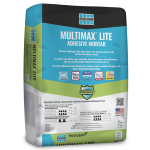
Relevant product: LATICRETE MULTIMAX LITE Multipurpose Thinset Mortar. Use the current data sheet to confirm acceptable substrates, applications, and installation thickness.
A good layout accounts for focal points, room dimensions, cabinetry, fixtures, niches, benches, drains, curbs, doorways, windows, outlets, changes in material, and the cuts that will remain visible when the work is complete. Starting at the nearest wall and working outward without a layout plan can leave narrow slivers or awkward interruptions in prominent areas.
In showers, drain position and slope can affect tile size and pattern. In kitchens, cabinet lines, countertop elevations, windows, range hoods, and electrical outlets influence backsplash layout. On floors, transitions to adjacent rooms should be resolved before tile thickness, underlayment, and trim are finalized.
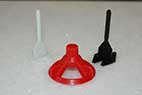
For large-format installations, a leveling system can help control relative edge alignment while the mortar is fresh, but it does not replace proper substrate preparation or mortar coverage. Tile Pro Depot carries the Spin Doctor Tile Leveling System for installers who need a reusable cap-and-post approach.
Tile assemblies need room to accommodate movement. The Tile Council of North America explains that movement joints help relieve stresses caused by differences in expansion and contraction between the tile and the substrate. TCNA’s movement-joint FAQ also notes that the exact placement and frequency depend on site conditions, with additional attention needed where installations are exposed to moisture or direct sunlight.
This is one reason perimeter gaps, transitions, control joints, and sealant joints should be part of the design discussion before installation begins. A continuous field of hard grout should not automatically be used everywhere a change in plane or movement condition exists.
Grout color changes the visual rhythm of a tiled surface. A close color match can make joints recede, while a contrasting color emphasizes the pattern. But color is only one consideration. Joint width, stain exposure, cleaning habits, tile texture, water exposure, and the grout manufacturer’s application limits all matter.
Before choosing a grout, confirm whether the tile surface needs special cleaning precautions and whether the grout requires sealing. Keep a record of the exact grout color and product used; future repairs are easier when the original information is available.
Relevant product: LATICRETE SPECTRALOCK 1 Pre-Mixed Grout. As with any grout, confirm current suitability, joint-size limits, installation instructions, and cleaning requirements before use.
Tile work rarely happens in isolation. A bathroom may involve demolition, framing, plumbing, electrical work, ventilation, backer or wall-board installation, waterproofing, tile, a vanity, glass, paint, trim, and accessories. A kitchen may combine cabinetry, countertops, flooring, backsplash tile, appliance clearances, electrical outlets, plumbing, drywall repair, and finish carpentry.
That sequence affects material ordering. A niche trim profile, threshold, transition strip, drain grate, edge profile, or extra box of tile can become a schedule problem if it is discovered only after the installer is ready for it. Confirm field dimensions, layout, tile thickness, accessory compatibility, and lead times before placing the final order.
For larger North Alabama projects that combine tile with cabinetry, flooring, plumbing, painting, or other construction work, homeowners may also need a local remodeler to coordinate multiple trades. One regional example is Lunko Construction’s Sheffield office, which serves the Florence–Muscle Shoals area. The important point is not the specific contractor, but the coordination: finish selections should be confirmed against the approved scope, field conditions, and installation sequence before materials are ordered.
There is no single waste percentage that fits every job. Extra material depends on the room shape, tile size, pattern, diagonal or offset layouts, cuts, breakage risk, shade or caliber variation, future repair needs, and whether the product may be difficult to match later. A simple rectangular floor with a straightforward layout may need less overage than a herringbone wall, a room with many corners, or a large-format pattern with strict visual alignment.
Before ordering, calculate the net area, review the planned layout, and account for cuts and attic stock. When in doubt, discuss the quantity with the installer or supplier before the order is finalized rather than relying on a universal rule.
A finish that looks good in a sample can still be a poor fit if the household does not want the maintenance it requires. Ask how the tile and grout should be cleaned, whether sealing is recommended, which cleaners should be avoided, and whether texture will make routine cleaning more difficult.
For homes with pets, children, frequent guests, or mobility concerns, cleanability, transitions, glare, contrast, and underfoot traction may matter as much as color. In showers and entries, surface texture should be evaluated for the actual use condition rather than judged only by appearance in a showroom or online photo.
Is grout waterproof?
No. Grout joints should not be treated as the waterproofing layer in a shower or other wet-area assembly. The waterproofing method belongs behind or directly beneath the tile finish, depending on the specified system.
Do large-format tiles need special mortar?
They often require a mortar rated for large and heavy tile, along with closer attention to substrate flatness and mortar coverage. Follow the tile, mortar, and membrane manufacturers’ requirements for the specific installation.
Should every tile floor use an uncoupling membrane?
No. Uncoupling products can be useful in many assemblies, but the need depends on the substrate, tile, movement conditions, and selected installation method. Use a product only where the manufacturer approves the application.
How much extra tile should be kept after a remodel?
Keep enough attic stock to make future repairs practical, especially when the tile has strong shade variation, may be discontinued, or would be difficult to match later. The amount should be based on the specific tile and project rather than a fixed percentage.
This article is for general educational purposes and is not a substitute for project-specific installation instructions, building-code requirements, engineering advice, or a qualified installer’s evaluation of site conditions. Product specifications and approved applications can change. Always review the current tile, setting-material, waterproofing, underlayment, and accessory manufacturer documentation before installation, and follow applicable local codes and inspection requirements.

Mitchell Moss works with Tile Pro Depot and contributes practical content for professional tile installers, remodelers, and serious DIY users. His articles focus on tile installation tools, setting materials, waterproofing systems, grout, underlayments, and jobsite techniques. Through the Tile Pro Depot blog, he helps readers better understand product applications, compare installation approaches, and make informed material choices using manufacturer guidance, industry standards, and practical considerations that can affect the durability and performance of a tile installation.