Military Discount
-

-

-
0

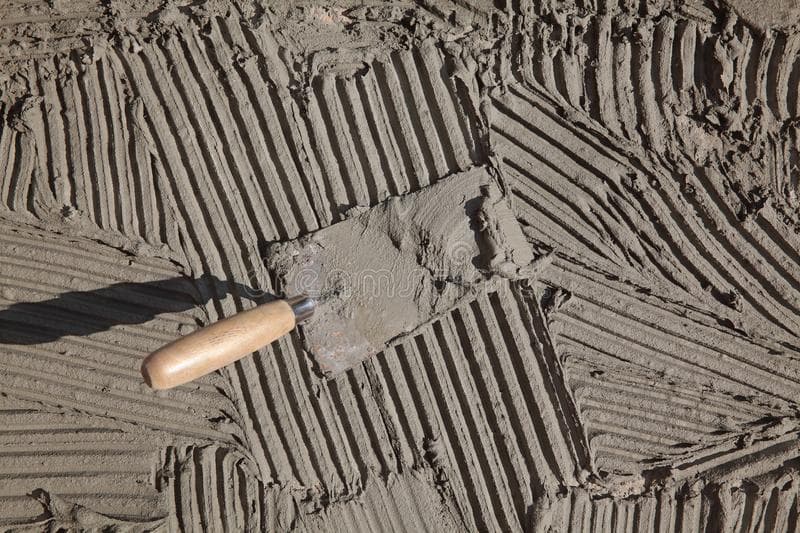
Are you confused in deciding between mortar or adhesive for shower wall tile? Well, cement mortar is the conventional mix popular in attaching tiles to the drywall and floorings in wet areas. However, with the advancement of the building process, many other options are available – tile adhesive is the top choice. What Kind of Adhesive to Use On Shower Tile
Cement mortar is low cost and ideal for large applications. However, you need professional and technical knowledge to use cement mortar for fixing tiles. You must understand that for cement mortar application – you require proper tools, must know the ratio for making the solution and should soak the tiles in water before fixing and cleaning brink bottom powder.
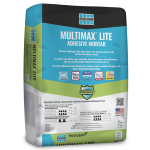
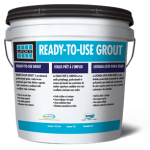
Best Products:
Tile adhesives have high efficiency, you do not require much technical knowledge, no special tools, and it settles quicker than mortar. The tile adhesives have a longer working time. So, you can readjust the tiles in positions. Some adhesives offer an easy-to-apply alternative to the thin-set mortar.
Factors that determine the decision of choosing adhesive over the mortar:
You don’t need too many tools while applying tile adhesive for shower walls or floorings. Simple safety gloves and a scrub cloth are to start with.
Never apply more adhesive. More adhesives do not ensure better fixing of tiles but would rather ruin the shower tiling. You may require 24-73 hours to dry the adhesives before grouting.

Mitchell Moss works with Tile Pro Depot and contributes practical content for professional tile installers, remodelers, and serious DIY users. His articles focus on tile installation tools, setting materials, waterproofing systems, grout, underlayments, and jobsite techniques. Through the Tile Pro Depot blog, he helps readers better understand product applications, compare installation approaches, and make informed material choices using manufacturer guidance, industry standards, and practical considerations that can affect the durability and performance of a tile installation.